
Foods to Eat After Tooth Extraction for Faster Recovery

After a tooth extraction, one of the first questions patients usually ask is, what to eat after tooth extraction? Choosing the right meals makes eating easier and supports the healing process. An Emergency Dentist in Newnan, GA will often explain that food choices can either encourage recovery or irritate the extraction site, leading to delays in healing.
Why Food Choices Matter After Tooth Extraction
After any dental procedure such as an extraction, your body forms a protective blood clot in the empty socket. This clot is essential for healing, infection prevention, and protecting exposed bone and nerves. If it’s disturbed, you could accidentally dislodge the blood clot, which may lead to dry socket, a very painful complication. By choosing the right foods to eat after tooth extraction, you give your body the best chance for a smooth recovery process.
Best Foods to Eat After Tooth Extraction
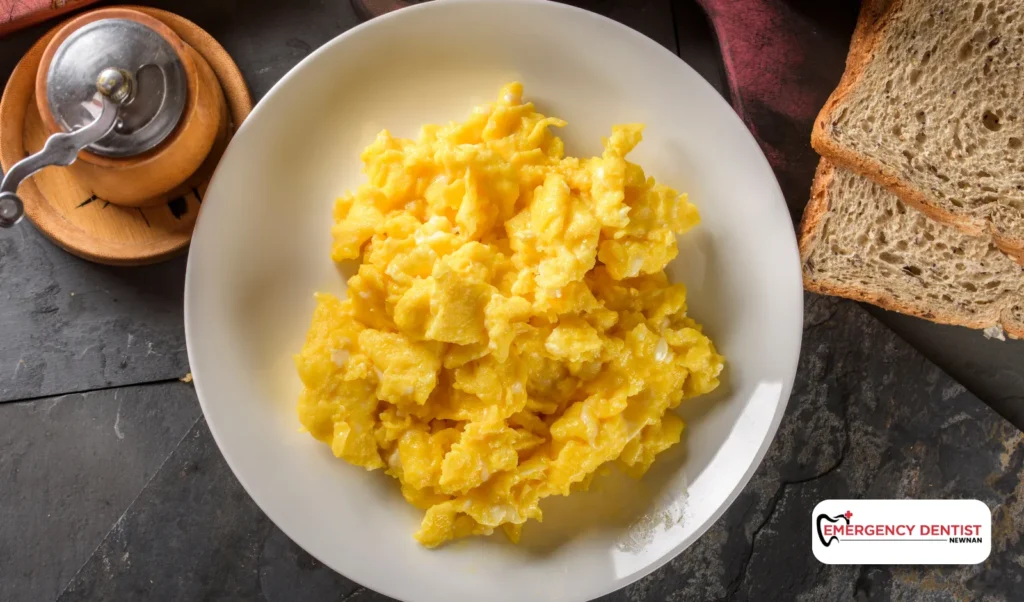
Patients often wonder: what can I eat after tooth extraction? or what can you eat after tooth extraction? The best choices are soft foods to eat after tooth extraction because they’re gentle, easy to chew, and easy to eat. Examples include:
- Mashed potatoes – Creamy and filling, they’re gentle on your gums and won’t irritate the extraction site.
- Scrambled eggs – A protein-rich food to eat after tooth extraction that is soft and simple to prepare.
- Butternut squash – When cooked until tender, it’s full of nutrients that support the healing process.
- Ice cream – Cool and soothing, it helps ease discomfort and swelling, especially in the first 24 hours.
Other great things to eat after tooth extraction include yogurt, smoothies, pudding, applesauce, and oatmeal once healing has started. All are safe to eat after a tooth is removed and provide energy for recovery.
Foods to Avoid After Extraction

Knowing what not to eat is just as important as knowing the right food to eat after tooth extraction. Certain foods can interfere with blood clotting, disturb healing, or increase the risk of irritation:
- Spicy foods – May cause stinging or discomfort.
- Hot foods – Can dissolve or dislodge the blood clot before it stabilizes.
- Acidic foods – Citrus or tomato-based items may burn and slow the recovery process.
Hard, crunchy, or chewy foods should also be avoided for several days after oral surgery, as they put unnecessary pressure on the socket and may disturb the clot.
Tips for the First 24 Hours
During the first 24 hours post tooth extraction, stick to cold or room-temperature meals. Do not drink through straws, since suction can easily dislodge the blood clot. The safest foods to eat after tooth extraction during this time include smoothies, yogurt, pudding, and ice cream. After the first day, you can slowly reintroduce easy-to-eat and easy-to-chew options like scrambled eggs and mashed potatoes.
Recovery Process and Professional Care
The recovery process varies depending on how many teeth extracted, the complexity of the oral surgery, and your general health. Be sure to follow the directions from your oral surgeon, as these instructions help protect the clot and support healing. If you experience severe pain, prolonged bleeding, or signs of infection, contact an Emergency Dentist in Newnan, GA right away. Prompt treatment reduces complications and helps you heal more comfortably.
Conclusion
If you’ve been asking what to eat after extracting the tooth or what can I eat after tooth extraction, the best answer is to choose soft foods to eat after tooth extraction such as mashed potatoes, scrambled eggs, butternut squash, and ice cream. Stay away from spicy foods, hot foods, and acidic foods, as they can slow recovery or irritate the extraction site.
By selecting the right foods to eat after tooth extraction, you protect the clot, promote healing, and speed up recovery. Always follow the advice of your oral surgeon, and if problems occur during the recovery process post tooth extraction, reach out to an Emergency Dentist in Newnan, GA for professional care.