
How Long Does It Hurt After Tooth Extraction In Recovery

Getting a tooth pulled isn’t something people want to go through, but sometimes it’s the best way to protect your oral health. This may happen because of tooth decay, infection, or an injury near the gum line. Many patients wonder: “How long does a tooth extraction hurt?” Knowing what kind of pain is normal, which signs may point to a problem, and how to follow the right aftercare instructions can make the healing process easier and less stressful.
Why Tooth Extractions Cause Pain
When a dentist performs simple extractions or more complex surgical procedures, the body begins to heal almost immediately. Within the first 30 minutes, a blood clot forms inside the socket. This clot shields exposed bone and nerves, while supporting the growth of new gum tissue.
Even though local anesthesia prevents pain during the procedure, discomfort begins to appear as the numbness fades. It is completely natural to experience pain and swelling for several days after the procedure. The severity often depends on whether the procedure involved wisdom teeth or a less complicated extraction.
How Long Does a Tooth Extraction Hurt?
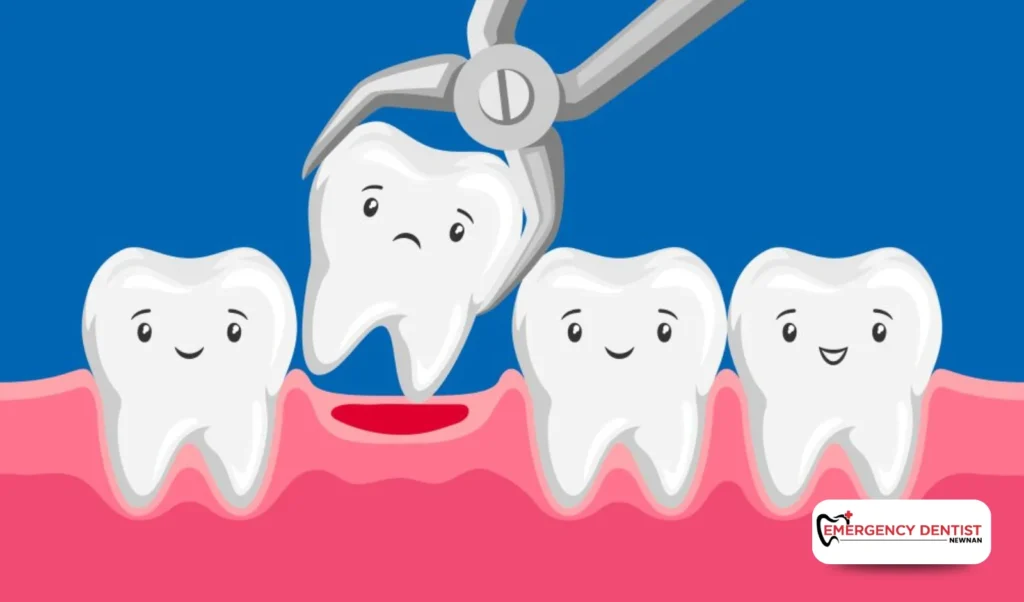
Pain levels and recovery speed vary from patient to patient, but most follow a general timeline:
- First 24 hours: Pain is usually most noticeable once anesthesia wears off. Some swelling and minor bleeding are expected.
- 48 hours: Swelling may increase slightly but often begins to ease with rest and pain relievers.
- Days 3-5: Discomfort decreases significantly, and eating soft foods becomes easier.
- One week or more: Most patients feel much better, provided the extraction site remains undisturbed and the blood clot stays intact.
If wisdom teeth are removed or the procedure is more complex, pain can last up to two weeks, though it should steadily improve with each passing day.
How Long Should a Tooth Extraction Hurt?
In typical recoveries, pain reduces within a week. However, if pain persists, worsens, or radiates to the ear or jaw, it could indicate a complication.
Warning Signs That Require Attention:
- Dry socket: If the clot breaks down or is dislodged, the bone and nerves become exposed, leading to severe throbbing pain.
- Sign of infection: Persistent swelling, fever, pus, foul taste, or ongoing bad breath.
- Excessive bleeding: Light oozing is normal, but heavy bleeding after the first day is not.
If any of these issues occur, do not wait. Schedule an appointment with an Emergency Dentist in Newnan for immediate treatment.
Managing Pain After Tooth Extraction

Fortunately, there are safe and effective ways to manage discomfort while supporting recovery:
- Ice pack: Apply against the cheek near the extraction area in 15-20 minute intervals during the first 24 hours to control swelling.
- Warm salt water rinse: After the first day, begin rinsing your mouth gently to reduce bacteria and keep the socket clean.
- Soft foods: Stick to items such as yogurt, mashed potatoes, or scrambled eggs until chewing feels comfortable.
- Pain relievers: Take medication exactly as prescribed or follow over-the-counter directions recommended by your dentist.
- Gently rinse: Avoid spitting forcefully; allow the liquid to flow out naturally to protect the clot.
Protecting the Extraction Site
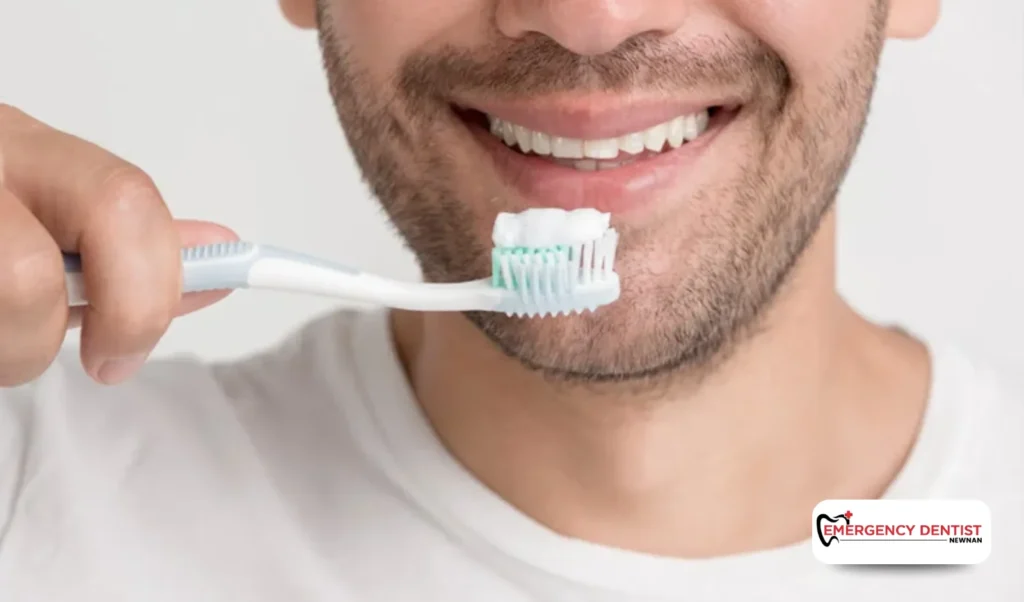
Good habits play a crucial role in the healing process. To ensure the area heals properly:
- Continue brushing your teeth, but avoid direct contact with the extraction site for a few days.
- Use a soft-bristled toothbrush to protect gum tissue and maintain oral health.
- Skip alcohol-based rinses until the socket has closed more fully.
- Prioritize avoiding smoking, which can dislodge the clot and significantly increase the risk of dry socket.
By protecting the clot and caring for the area, you give your mouth the best chance to heal comfortably.
When to Schedule an Appointment with an Emergency Dentist in Newnan
Some pain and swelling are normal, but if symptoms do not improve, it’s time to seek help. Contact an Emergency Dentist in Newnan if:
- Pain after tooth extraction worsens instead of improving.
- Pain persists beyond one week.
- You notice pus, foul taste, or ongoing bad breath.
- You experience severe pain suggesting dry socket.
- Bleeding continues heavily after the first 24 hours.
Contacting a dentist quickly ensures proper treatment and helps prevent further complications.
Supporting a Smooth Healing Process
Following your dentist’s aftercare instructions carefully can make a significant difference. Here are some key reminders:
- Rest for the first day after extraction to let your body recover.
- Use an ice pack and prescribed pain relievers to stay comfortable.
- Stick to a diet of soft foods and avoid crunchy or hard items that could disturb the extraction site.
- Begin rinsing your mouth with warm salt water after the first 24 hours to reduce bacteria.
- Protect the blood clot at all times, this is the foundation of your recovery.
Conclusion
So, how long does it hurt after tooth extraction? For most people, pain is worst in the first 24 to 48 hours and then improves. By the end of the week, it should be much better if the blood clot and extraction site are protected.
Following simple aftercare instructions, like using an ice pack, rinsing gently, eating soft foods, and taking pain relievers, can make recovery easier.
If you notice a sign of infection, pain from dry socket, or if discomfort persists, contact an Emergency Dentist in Newnan. With the right care, your mouth can heal well and keep your oral health strong.
Frequently Asked Questions
How long does a tooth extraction hurt after removal?
Pain typically peaks within the first 24 to 48 hours and then improves. By one week, most discomfort should fade if the extraction site heals properly.
What are the signs of infection after a tooth extraction?
Watch for swelling that worsens, fever, pus, persistent bad breath, or pain that doesn’t improve. These signs of infection require contacting your dentist promptly.
How can I manage pain and swelling during the healing process?
Apply an ice pack during the first 24 hours, eat soft foods, rinse your mouth gently with warm salt water, and take pain relievers as recommended by your dentist.