
How to Avoid Dry Socket After Tooth Extraction Effectively
Getting a tooth removed is a routine dental procedure, but the recovery process afterward is just as important as the treatment itself. One of the most common concerns patients have is dry socket, a painful complication that can occur after a tooth extraction. If you’re searching for how to prevent dry socket after tooth extraction, this guide will explain what causes it and the best ways to reduce your risk.
What Is a Dry Socket?
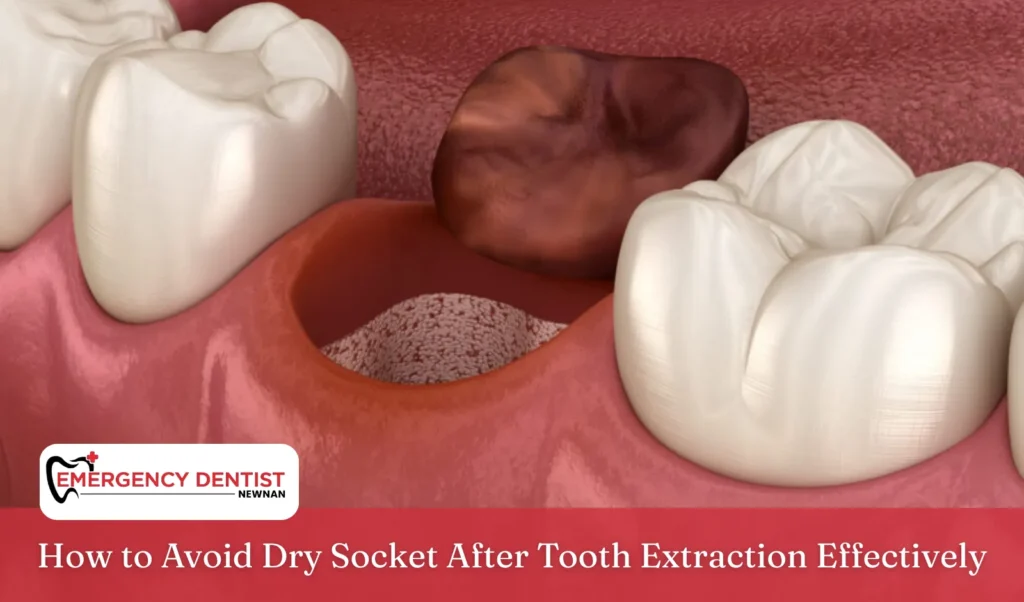
A dry socket, also known as alveolar osteitis, is a complication that develops when the protective blood clot doesn’t stay in place after a tooth is removed. Normally, after a tooth extraction, a blood clot forms in the empty socket. This clot acts as a natural shield, covering exposed bone and nerves while supporting the growth of new gum tissue.
When the blood clot dissolves too soon, gets dislodged, or never forms at all, the extraction site is left exposed. This can lead to severe pain, bad breath, and sometimes swelling in the jaw. People with wisdom teeth removed are especially likely to develop dry socket, but it can occur after any tooth extraction.
How Dry Sockets Develop

If the blood clot doesn’t protect the extraction site, the empty socket can be exposed to bacteria, food, and air. This may lead to irritation, swelling, and sharp pain that spreads through the jaw or even up to the ear. Some people also notice a bad taste or unpleasant smell in their mouth. Since the risk of developing dry socket can make recovery more painful and take longer, knowing how to avoid dry socket after tooth extraction is important for proper healing.
How to Prevent Dry Socket After Tooth Extraction
Dry socket can occur after a tooth extraction, but with proper aftercare, you can prevent it and heal more quickly. Here’s what you can do to manage it.
1. Follow your dentist or oral surgeon’s instructions
Every procedure is different. Your dentist or oral surgeon will provide directions specific to your situation, such as how to use gauze, rinse your mouth, or manage pain relief. They may also recommend antibacterial mouthwashes. Following these instructions closely is one of the best ways to prevent dry socket.
2. Be careful during the first 24 hours
The first 24 hours after a tooth is removed are critical. Avoid spitting, rinsing your mouth too strongly, or drinking through a straw, since these actions can dislodge the blood clot. Rest and allow your body to focus on recovery.
3. Rinse your mouth with warm salt water
After the first day, gently rinse your mouth with warm salt water several times a day. This helps clean the extraction site, reduces bacteria, and supports healing without disturbing the blood clot.
4. Apply cold packs for swelling
Placing cold packs on your cheek for 15-20 minutes at a time can help minimize swelling and provide comfort. This is most effective during the first two days following surgery.
5. Brush your teeth carefully
Keep brushing your teeth daily to maintain oral hygiene, but avoid brushing directly over the extraction site. Gentle brushing helps keep your mouth clean without risking the clot being dislodged.
6. Avoid tobacco products and alcohol
Tobacco products and alcohol can slow healing and may dissolve or dislodge the clot, increasing the risk of developing dry socket. Stay away from these for at least several days after surgery.
7. Eat soft foods
Stick to soft foods such as yogurt, mashed potatoes, oatmeal, or smoothies. Avoid crunchy, sticky, or spicy foods that might irritate the extraction site or loosen the clot.
Extra Tips to Reduce Risk of Dry Socket

Drink water often, but don’t swish it in your mouth. Use antibacterial mouthwashes only if your dentist or oral surgeon recommends them, since strong rinses can slow healing. Take pain medicine only as directed and make sure to get enough rest, as your body heals faster with downtime. By rinsing with warm salt water a few times a day, brushing gently, and avoiding tobacco products, you can reduce the risk of dry socket and heal more smoothly.
When to See an Emergency Dentist in Newnan
Even with proper aftercare, problems can still arise. If you experience severe pain that does not improve, bad breath, exposed bone, or discomfort spreading to your ear or temple, it may be time to contact an Emergency Dentist in Newnan. They can examine your extraction site, treat the dry socket, and provide pain relief to help you heal.
Conclusion
Recovering after a tooth extraction takes more than just time, it requires proper care. Protect the blood clot in the empty socket, follow your dentist’s instructions, and practice good habits like rinsing with warm salt water, using cold packs, brushing gently, and avoiding tobacco products. These steps reduce the risk of dry socket and help you heal faster. If issues come up, contact an Emergency Dentist in Newnan for care.