
Dentist for Cracked Tooth: Treatment Guide
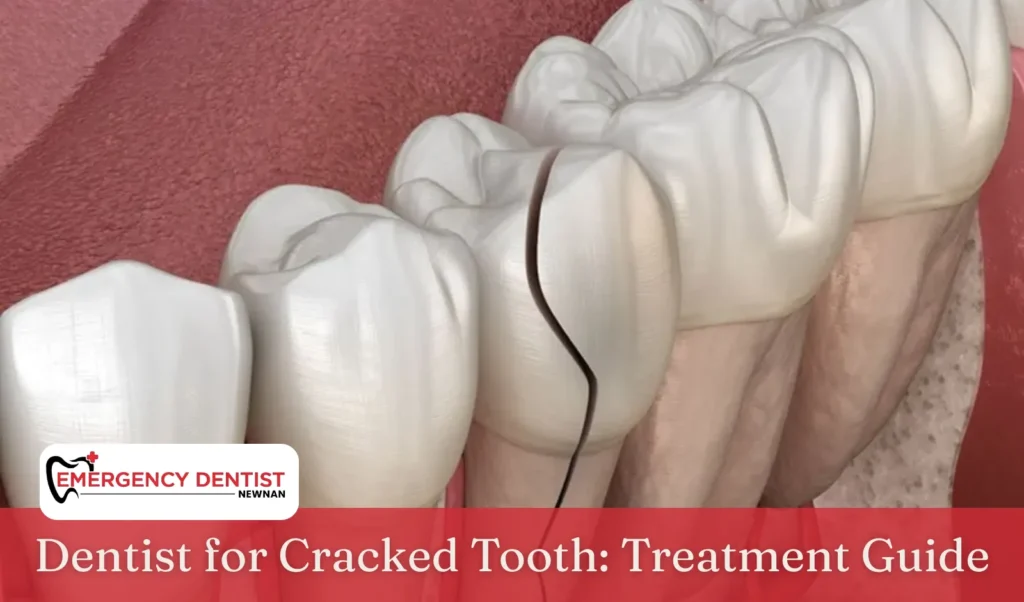
A cracked or chipped tooth can be painful, sensitive, and concerning. Whether the damage is small or severe, getting prompt care from a cracked tooth dentist is key to protecting your oral health and saving the tooth. If you’ve ever wondered, “How does a dentist fix a cracked tooth?” This guide explains the most effective treatment options, what to expect during your visit, and how to keep your teeth healthy for the long term.
What Causes a Cracked Tooth?
Your tooth enamel is the hardest substance in the body, but it isn’t unbreakable. Everyday habits like chewing hard foods, teeth grinding, or trauma to the mouth can cause a damaged tooth. Over time, normal wear can also create craze lines, tiny surface cracks that are harmless at first but can deepen without proper dental care.
If you notice pain when chewing, temperature sensitivity, or visible lines across the surface of the tooth, don’t ignore them. Left untreated, the crack can extend into deeper layers, reaching the root of the tooth and increasing the risk of infection or permanent damage. Seeing a dentist for cracked teeth early can make all the difference in saving the tooth.
Types of Cracked Teeth
Before treatment begins, your cracked tooth dentist will determine the type and depth of the crack, since not all cracks are the same. Common types of cracked teeth include:
- Craze lines: Tiny surface cracks in the enamel that are mostly cosmetic.
- Fractured cusp: A piece of the chewing surface breaks off, often near a filling.
- Split tooth: A deep crack that divides the tooth into separate parts.
- Vertical root fracture: A crack that starts at the root of the tooth and extends upward.
Each type requires a different treatment option to restore the natural tooth and maintain strength.
How Does a Dentist Fix a Cracked Tooth?

When you visit a cracked tooth dentist, they’ll start with an exam and X-rays to see how deep the crack extends. Based on the results, your dentist will suggest the best treatment option to restore the tooth and protect your oral health.
- Dental Bonding
For small chips or minor cracks, dental bonding is a quick, affordable fix. The dentist applies a tooth-colored resin, shapes it to match your enamel, and hardens it with a special light.
Bonding works best for surface-level cracks or cosmetic damage. It’s painless, improves appearance, and protects the natural tooth without removing healthy enamel.
- Dental Crowns
If the crack reaches the dentin or weakens the tooth, a dental crown may be needed. A crown is a durable cap that covers the damaged tooth, restoring its shape and strength.
Crowns are great for fractured cusps, large cracks, or teeth that had root canal therapy. Your dentist might use a temporary crown until the permanent one is ready. Crowns help save the tooth and provide long-term stability.
- Dental Veneers
For visible front teeth, dental veneers offer both protection and a cosmetic boost. These thin porcelain shells bond to the surface of the tooth, hiding cracks and strengthening enamel.
Veneers not only improve appearance but also protect the natural tooth from further cracking.
If the crack extends into the pulp (the nerve area), root canal therapy may be necessary. The dentist removes damaged tissue, cleans the canal, and seals it to prevent infection.
Afterward, a dental crown is added for strength and protection. This treatment saves the tooth, relieves pain, and helps avoid tooth extraction.
- Tooth Extraction and Dental Implants
In severe cases, like a split tooth or vertical root fracture, the tooth may need to be removed. Extraction stops infection and protects nearby teeth.
Once healed, a dental implant or bridge can replace the missing tooth, restoring your bite and keeping your oral health strong.
Aftercare and Recovery Tips

After treatment, proper dental care helps the tooth heal and ensures long-term success.
- Rinse with warm salt water to reduce bacteria and swelling.
- Avoid chewing hard foods on the treated side.
- Use a soft-bristled toothbrush and fluoride toothpaste.
- Schedule regular checkups to monitor healing and prevent new cracks.
Good habits and consistent dental care protect your natural teeth and strengthen your tooth enamel over time.
When It’s a Dental Emergency
If you experience a chipped or broken tooth with pain, swelling, or bleeding, it could be a dental emergency. Ignoring it can lead to infection or even permanent damage to the root of the tooth.
In these situations, contact an Emergency Dentist in Newnan immediately. Quick treatment can relieve pain, stop infection, and save the tooth before it’s too late.
Conclusion
So, can a dentist fix a cracked tooth? Absolutely. With modern dental treatments like bonding, veneers, dental crowns, and root canal therapy, most cracks can be repaired effectively. Even if tooth extraction is necessary, a dental implant or bridge can beautifully restore your smile.
A cracked tooth doesn’t have to mean losing it. With timely treatment, good dental care, and regular checkups, you can restore the tooth, protect your oral health, and keep your smile strong and confident for years to come.