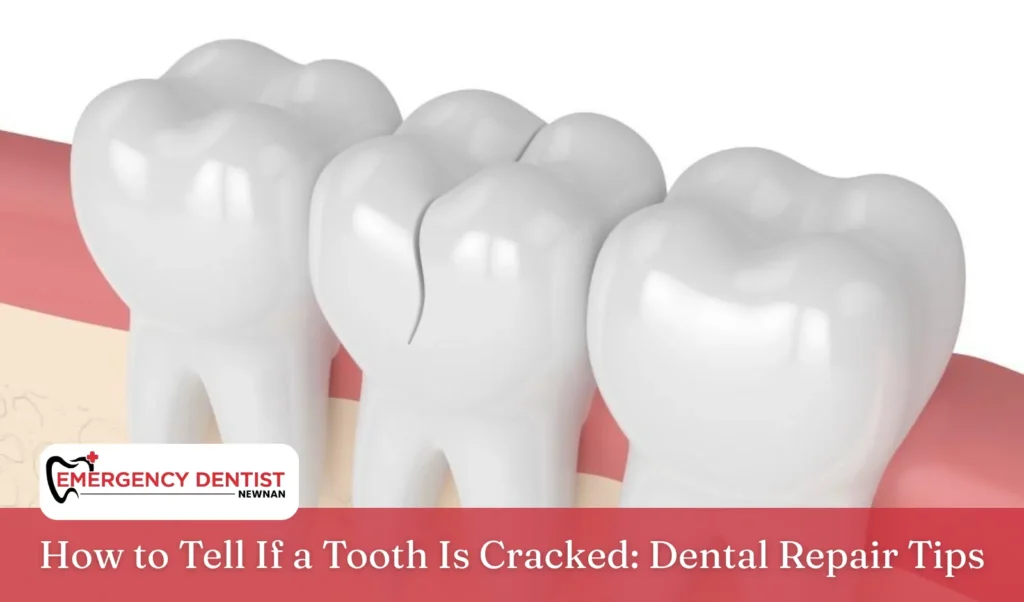
How to Tell If a Tooth Is Cracked: Dental Repair Tips
A cracked tooth may not hurt at first, but that doesn’t mean it’s harmless. Damage to the tooth enamel can expose the sensitive layers beneath, allowing bacteria to enter and lead to infection. Recognizing early signs of a cracked tooth helps protect your oral health and prevent long-term damage.
In this guide, you’ll learn how to tell if a tooth is cracked, common causes and symptoms of a cracked tooth, and the best treatment options to save the tooth. If you suspect an issue, an Emergency Dentist in Newnan can provide gentle, pain-free care to restore your smile.
Why Quick Treatment Is Important
Your teeth are tough, but not unbreakable. Everyday habits like teeth grinding, biting into hard foods, or accidental trauma can cause cracked teeth. Once a crack forms, it can deepen over time, creating pathways for bacteria to enter and infect the inner layers.
Catching the problem early is key. Acting fast can prevent minor damage from turning into a severe dental issue, reduce pain, and improve your chances to save the tooth.
How to Tell If Tooth Is Cracked

Some cracked teeth are visible to the eye, but others are hidden beneath the gum line. A common misconception is that no pain means no problem. In reality, even small cracks can worsen if left untreated, causing infection or tooth loss.
Shallow craze lines, fine cracks on the tooth enamel, are typically harmless and affect only the outer surface. However, when cracks extend into the dentin or pulp, they can cause discomfort, sensitivity, and swelling. The deeper the crack, the greater the risk of complications.
Symptoms of a Cracked Tooth

Recognizing the symptoms of a cracked tooth helps you seek prompt care. Common warning signs include:
- Pain when chewing or biting that comes and goes
- Sensitivity to hot or cold foods
- Swollen gums or tenderness around the affected area
- Discomfort that’s hard to pinpoint or radiates across nearby teeth
- A visible crack on the surface of the tooth
Even if the pain isn’t constant, any of these symptoms can indicate a cracked or fractured tooth that requires attention.
Types of Cracks Dentists Identify
Dentists classify cracks based on their depth and severity. The most common types include:
- Craze Lines: Small, painless surface marks that affect only the enamel
- Fractured Cusp: When a portion of the tooth near a filling breaks off but doesn’t affect the root
- Cracked Tooth: A deeper fracture that starts at the crown and moves toward the gum line
- Split Tooth: A severe break that divides the tooth into sections, often requiring extraction
- Vertical Root Fracture: A crack that begins at the root and moves upward, sometimes without visible symptoms until it leads to infection
In some cases, small internal cracks can cause pain even without visible damage, a condition known as Cracked Tooth Syndrome (CTS).
Why You Shouldn’t Leave a Cracked Tooth Untreated
A cracked tooth cannot heal by itself. If left untreated, bacteria can enter through the crack and infect the pulp tissue. This may cause severe pain, inflammation, and even bone loss around the tooth.
As the infection spreads, your dentist may need to perform root canal therapy to remove the damaged pulp and prevent further complications. In advanced cases, a tooth extraction may be necessary. Early treatment ensures better outcomes and helps you stay pain free.
Treatment Options for a Cracked Tooth
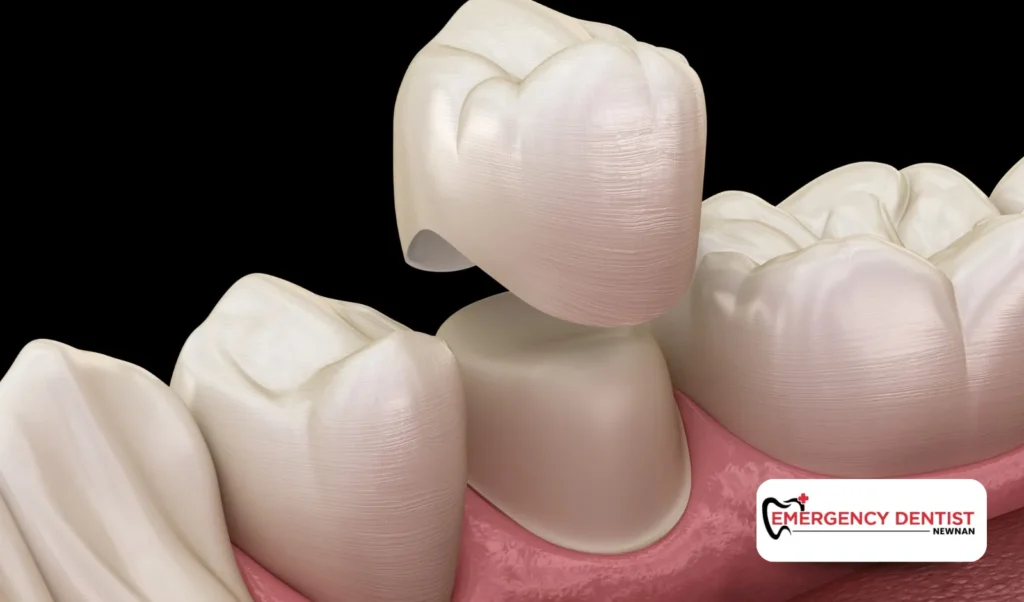
The right treatment for a cracked tooth depends on the depth and severity of the damage:
- Dental Bonding: Ideal for small surface cracks or cosmetic repairs.
- Dental Crowns: Protect the tooth structure and prevent the cracks from extending further.
- Root Canal Therapy: Recommended if the pulp is inflamed or infected.
- Tooth Extraction: Required for severely damaged or split teeth that cannot be repaired.
An Emergency Dentist in Newnan will examine the affected area and determine the best way to restore strength, comfort, and function.
How to Prevent Cracked Teeth
Preventing cracks is much easier than treating them. Here are a few tips:
- Avoid biting on hard foods or objects like ice and pens.
- Wear a nightguard if you grind your teeth.
- Maintain strong tooth enamel with fluoride toothpaste and a balanced diet.
- Schedule regular dental checkups to detect early damage.
These preventive measures protect your teeth from stress and minimize your risk of developing cracked or fractured enamel.
When to See an Emergency Dentist in Newnan
You should contact an Emergency Dentist in Newnan right away if you notice:
- Sharp or constant pain when chewing
- Swollen gums or tenderness near the tooth
- A visible crack or dark line along the surface of the tooth
- Sensitivity that lingers after eating or drinking
Prompt dental care stops the damage from spreading and helps keep your smile pain free.
Conclusion
Understanding how to tell if a tooth is cracked helps you act before small problems turn into major ones. Even minor cracks can worsen over time if left untreated. By recognizing the symptoms of a cracked tooth and getting professional care, you can protect your oral health and save the tooth.
If you’re wondering, how do you know if you cracked a tooth, watch for pain when chewing, sensitivity, or visible damage. Don’t wait, visit an Emergency Dentist in Newnan for a thorough, pain-free evaluation and the right treatment options to restore your smile.