
How Long Does Wisdom Tooth Removal Recovery Take?
Quick Answer
How long is the recovery from wisdom tooth removal?
Most people notice improvement within the first few days, but complete healing after wisdom tooth removal usually takes one to two weeks. How long to recover from wisdom tooth removal depends on your body’s healing speed and how closely aftercare instructions are followed.
Key Takeaways
- Wisdom tooth removal recovery happens gradually, not all at once
- The first 24 hours are critical for protecting blood clots
- Wisdom tooth extraction soft foods make eating easier during healing
- Gentle oral hygiene helps protect the extraction site
- Ongoing or worsening symptoms may need emergency dental care
If you’re planning wisdom teeth extraction, it’s natural to wonder how long wisdom tooth removal recovery is and what the days after surgery will feel like. Many patients worry about pain and swelling, when they can eat and drink comfortably, and how many days after surgery they should rest before returning to daily activities.
Wisdom tooth removal is a common type of oral surgery. Dentists and oral surgeons often recommend wisdom teeth removal when these teeth cause crowding, repeated discomfort, or raise the risk of infection. Knowing what recovery usually looks like ahead of time can ease stress and help you feel more prepared.
What Happens Right After Wisdom Tooth Removal?
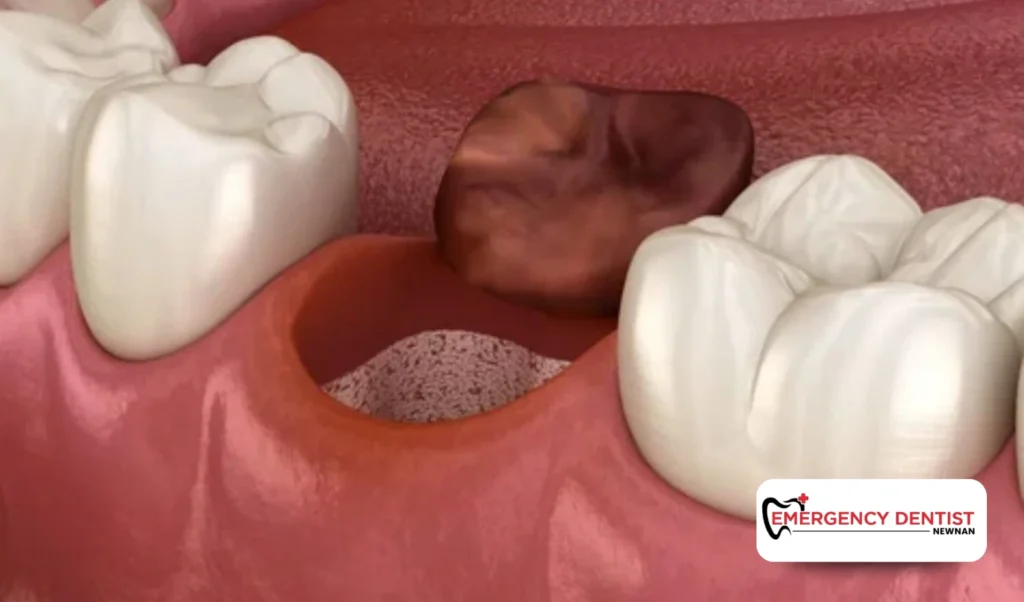
After wisdom tooth extraction, your body begins healing immediately. Blood clots form over each extraction site, acting like a natural seal that protects the bone and nerves underneath. Keeping these blood clots in place is essential for proper healing.
During the first 24 hours, pain and swelling are common. This is a normal response after oral surgery. With rest, proper care, and guidance from your oral surgeon, discomfort usually begins to ease. Pain medication may be recommended to help reduce pain during this early stage.
How Long Is Wisdom Tooth Removal Recovery? A Simple Timeline
Recovery follows a general pattern, though everyone heals a little differently.
The First 24 Hours
The first day is the most important. Mild bleeding, soreness, and noticeable pain and swelling are expected. Using an ice pack on the outside of your face can help reduce swelling and improve comfort.
Avoid touching or disturbing the extraction site so blood clots stay in place. Protecting this area lowers the risk of complications like dry socket.
The Days After Surgery
In the days after surgery, swelling usually stops increasing. Pain may still be present but often feels easier to manage. Many patients rely on wisdom tooth extraction soft foods such as yogurt, mashed vegetables, soup, or smoothies to comfortably eat and drink without irritation.
Rest continues to play an important role during this phase of wisdom tooth removal recovery.
After 48 Hours
Around 48 hours after wisdom teeth extraction, swelling often begins to decrease. At this point, patients can gently rinse with salt water to keep the mouth clean. Gentle oral hygiene supports healing while helping prevent irritation.
Continue brushing and flossing the rest of your mouth, but avoid brushing directly on the extraction site.
One Week and Beyond
Most people feel close to normal within seven to ten days. For more complex wisdom teeth removal cases, healing may take a little longer. Your oral surgeon can explain what recovery should look like for your specific situation.
Even when discomfort fades, the area continues healing beneath the surface.
Common Symptoms During Recovery

During wisdom tooth removal recovery, patients may notice:
- Jaw pain and swelling
- Mild stiffness when opening the mouth
- Tenderness near the extraction site
- Sensitivity when eating or drinking
These symptoms usually improve each day. Pain that worsens instead of improving should be evaluated by a dental professional.
How to Reduce Pain and Support Healing at Home
Simple habits can make recovery smoother:
- Eat soft foods that won’t irritate healing tissue
- Use an ice pack during the first day to reduce swelling
- Take pain medication only as directed
- Gently rinse with salt water after the first 24 hours
- Maintain oral hygiene while avoiding the extraction site
These steps help reduce pain, protect healing tissue, and support proper recovery.
What Is a Dry Socket?
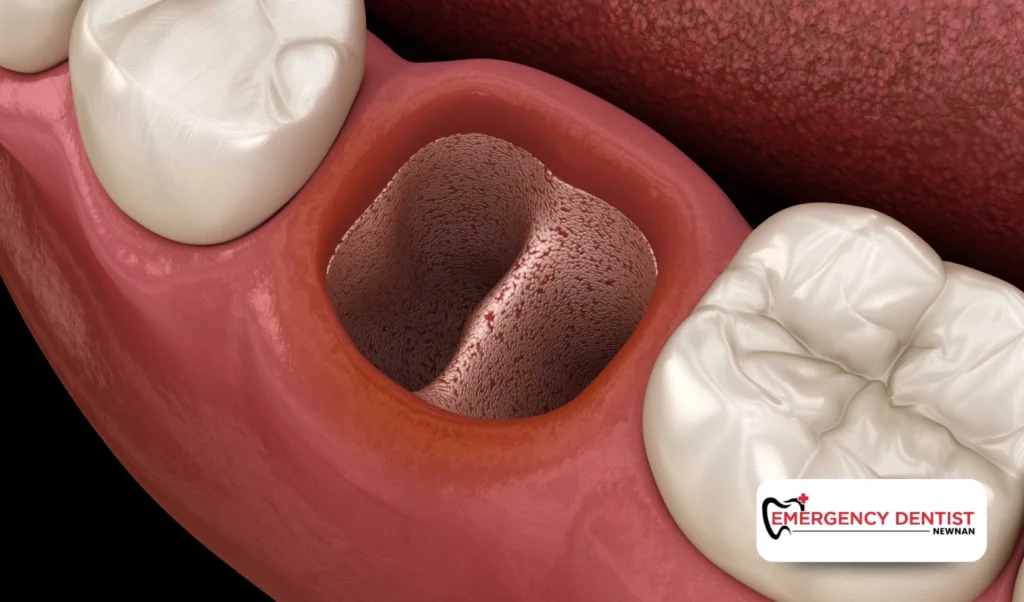
Dry socket occurs when blood clots at the extraction site are disturbed or lost too early. This can expose sensitive tissue and bone, causing increasing pain several days after surgery.
Avoid straws, smoking, and aggressive rinsing during early recovery. These actions increase the risk of dry socket and slow healing.
When to Contact an Emergency Dentist in Newnan
Most recoveries go smoothly, but contact an Emergency Dentist in Newnan if you notice:
- Severe or worsening pain days after surgery
- Swelling that increases instead of improving
- A bad taste or odor near the extraction site
- Fever or trouble opening your mouth
Early care can prevent complications and protect your oral health.
Final Thoughts
Asking how long to recover from wisdom tooth removal is completely understandable. Healing happens step by step, and most patients see steady improvement with proper care. Knowing what’s normal and how to support healing makes recovery far less stressful.
Giving your body time to heal and paying attention to changes helps ensure a smoother recovery after oral surgery.
Need Help During Wisdom Tooth Recovery in Newnan?
Unexpected pain or swelling after wisdom tooth removal can be worrying. If something doesn’t feel right, prompt care makes a difference.
Emergency Dentist in Newnan provides compassionate, same-day care for post-extraction concerns. Whether you need reassurance or urgent treatment, our team is here to support your recovery.
Call today to get the care you need and protect your healing smile.
Frequently Asked Questions
How long will my mouth feel sore after wisdom tooth removal?
Most soreness improves within a few days, but mild tenderness can last up to two weeks.
When can I start eating normal foods again?
Many patients return to regular foods within a week, but soft foods are best early on.
How do I know if something is wrong with my recovery?
If pain or swelling gets worse instead of better, contact a dentist right away.