
What to Eat After Wisdom Tooth Extraction for Gentle Healing
Quick Answer
After wisdom tooth removal what can I eat?
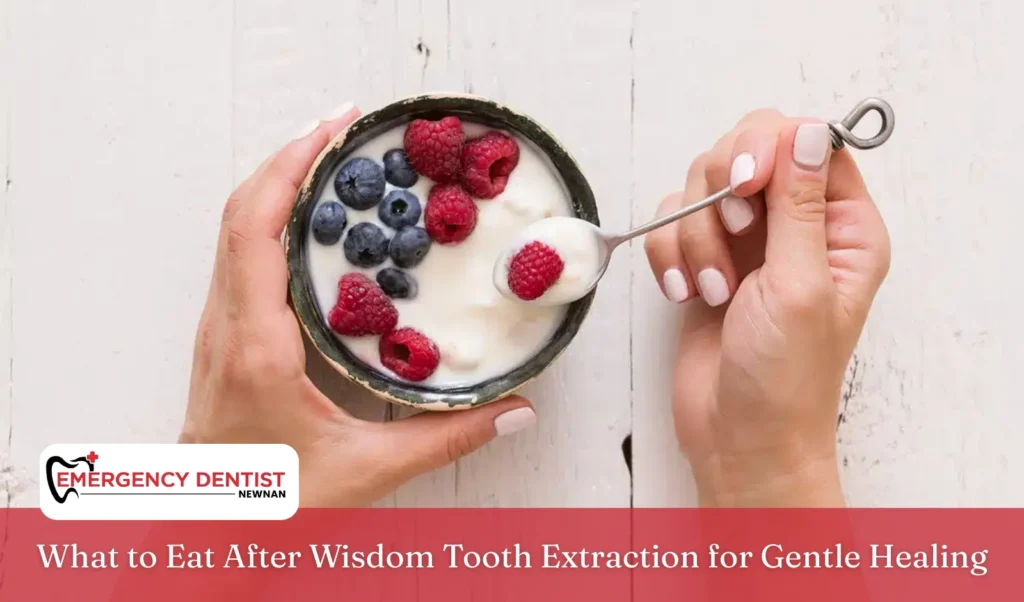
After wisdom tooth extraction, choose soft foods that are easy to chew and gentle on extraction sites. Foods like mashed potatoes, scrambled eggs, yogurt, smoothies, soup, and small servings of ice cream help protect surgical sites and support the healing process after oral surgery.
Key Takeaways
- Soft foods protect extraction sites and reduce irritation.
- The first 24 hours are critical for preventing dry socket.
- Easy-to-chew meals help you eat after wisdom tooth removal without discomfort.
- Gradually returning to solid foods supports healing.
- Foods rich in vitamins and minerals help your body recover.
When your wisdom teeth are removed, it is normal to experience soreness and sensitivity for several days. After wisdom teeth extraction, your mouth needs time to recover, and the extraction sites must remain protected. Blood clots form inside these areas and act as a shield that protects nerves and bone during the healing process.
Many patients wonder what to eat after wisdom tooth extraction because chewing can feel uncomfortable at first. Choosing the best food for after wisdom tooth removal helps reduce swelling, prevent irritation, and lower the chance of dry socket.
Eating the right foods makes it easier to eat food without disturbing healing tissue. Gentle meals can keep you comfortable while your mouth heals.
The First 24 Hours After Oral Surgery
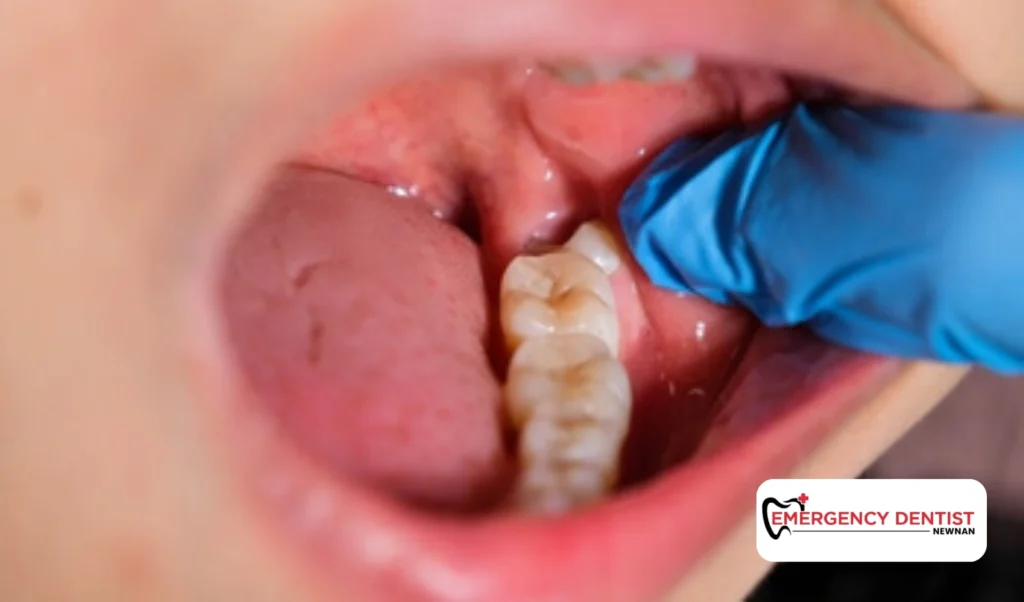
The first 24 hours after wisdom tooth removal are the most important stage of recovery. Blood clots develop inside the extraction sites and help protect surgical areas while the body begins repairing tissue.
If these clots become dislodged, dry socket may occur and cause discomfort. For this reason, stick to liquids and very soft foods during this early stage.
Helpful choices include:
- Smoothies without straws
- Yogurt
- Applesauce
- Blended soups
- Small portions of ice cream
Cold foods like ice cream can help soothe swelling and provide comfort, but moderation is recommended.
Best Soft Foods to Eat After Wisdom Teeth Removal
Soft foods to eat after wisdom teeth removal help provide nutrition without placing pressure on sensitive areas.
Helpful options include:
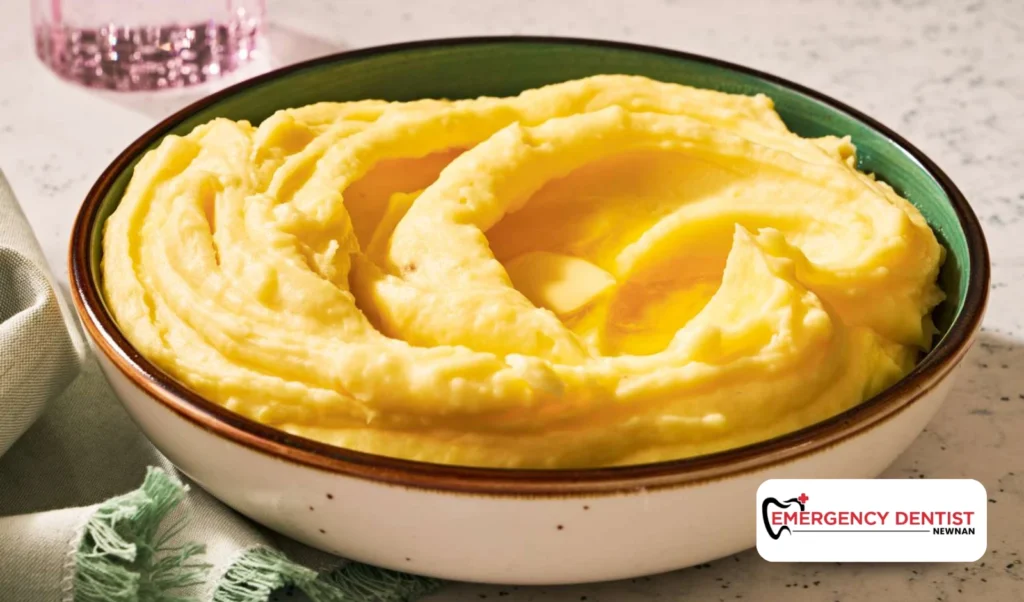
Mashed potatoes
Soft and filling, mashed potatoes are gentle on healing gums and easy to swallow.
Scrambled eggs
Soft scrambled eggs are rich in protein and very easy to chew, helping support tissue repair.
Soft cereals and oatmeal
These foods are comforting, simple to eat, and provide fiber.
Blended vegetables and soups
These meals provide essential vitamins and minerals without requiring heavy chewing.
Yogurt and soft dairy foods
These foods are nutritious, soothing, and gentle on surgical sites.
These meals allow patients to eat comfortably after wisdom tooth procedures while supporting the healing process.
Foods to Avoid During Healing

Knowing what foods to avoid is just as important as choosing the right meals.
Try to avoid:
- Chewy foods that require strong biting
- Crunchy snacks that may irritate surgical sites
- Spicy foods that can cause discomfort
- Foods with seeds that may become trapped
- Hard solid foods during early recovery
These foods can disturb blood clots and increase the risk of dry socket.
Returning to Solid Foods Gradually
After several days, many patients begin to feel ready to slowly reintroduce solid foods. Healing time depends on the complexity of the wisdom tooth extraction and how quickly your body recovers.
Signs you may be ready include:
- Reduced swelling
- Easier jaw movement
- Less sensitivity near extraction sites
Start with very soft solids such as pasta, rice, or flaky fish before progressing to firmer foods. Gradual changes help protect surgical sites and prevent irritation.
Nutrition Tips for a Healthy Healing Process
The healing process after oral surgery depends greatly on proper nutrition. Your body needs hydration, protein, and important vitamins and minerals to rebuild tissue and reduce inflammation.
Helpful recovery tips:
- Drink water throughout the day
- Choose protein-rich soft meals
- Blend fruits and vegetables for easier eating
- Avoid alcohol and carbonated drinks during early recovery
Balanced nutrition helps maintain energy and supports faster healing.
When to Contact a Dental Professional
Most patients recover without complications, but some symptoms may signal a problem.
Watch for:
- Pain that becomes worse instead of improving
- Bad taste or odor near extraction sites
- Swelling that continues to increase
- Signs of dry socket, including throbbing pain
If these symptoms appear, visiting an Emergency Dentist in Newnan can help confirm proper healing and provide treatment if needed.
Conclusion
Choosing soft and nourishing foods after wisdom tooth removal helps protect extraction sites and supports healing. Foods like mashed potatoes, scrambled eggs, yogurt, and blended soups reduce irritation while providing important nutrients. Avoiding chewy foods and slowly returning to solid foods can lower dry socket risk and make recovery more comfortable.
Comfort-Focused Wisdom Tooth Recovery in Newnan
If eating remains difficult or healing feels slow after oral surgery, professional care can provide reassurance. Emergency Dentist in Newnan offers evaluation for patients experiencing discomfort, swelling, or concerns after wisdom teeth extraction. Early attention helps protect surgical sites and supports a smoother recovery experience.
Frequently Asked Questions
Can I eat toast after wisdom tooth removal?
Soft toast may be safe after several days, but avoid hard or crunchy bread that could irritate extraction sites.
Why does my mouth feel sensitive when I eat after wisdom tooth extraction?
Sensitivity is normal during healing and should improve as swelling decreases.
Is mashed fruit safe after wisdom teeth removal?
Yes, mashed fruit is soft, nutritious, and easy to eat during early recovery.
Can I drink milk after wisdom tooth removal?
Yes, milk is usually safe and can be soothing after wisdom tooth removal, as long as it does not cause nausea. Sip slowly and avoid using a straw during early healing.