
When Can You Safely Take Gauze Out After Tooth Extraction?
Quick Answer
How long to keep gauze in after tooth extraction?
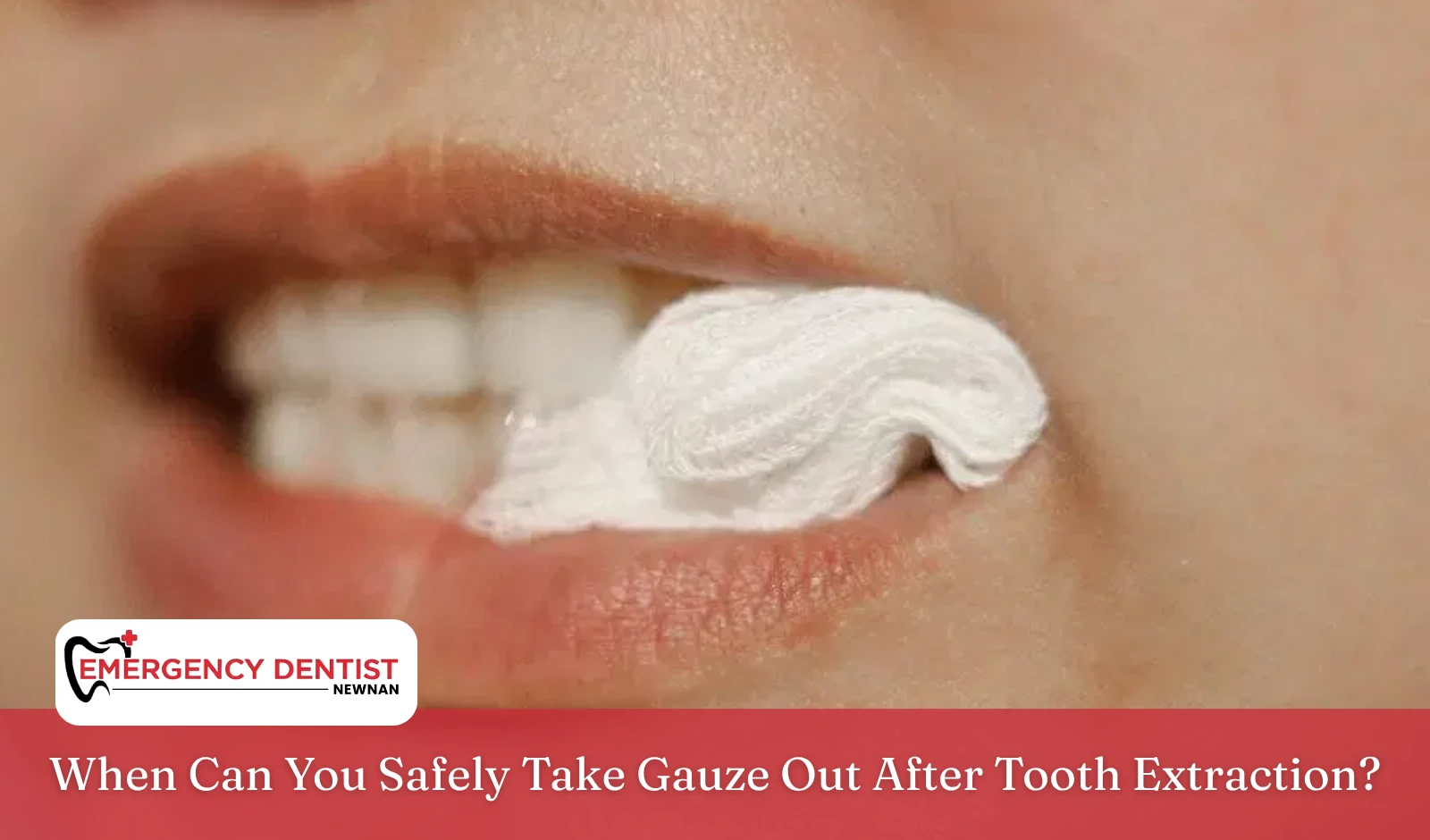
Most patients are advised to bite down on a gauze pad for about 30 to 60 minutes after their procedure. If bleeding continues, you may need to replace the gauze, but many people can remove the gauze within a few hours once it slows.
Key Takeaways
- A gauze pad helps control bleeding right after extraction
- Most patients can remove the gauze within a few hours
- Protecting the clot supports the healing process
- Soft foods help prevent irritation
- Contact a provider if bleeding continues
After a tooth is removed, your body begins the healing process immediately. A blood clot forms over the extraction sites, protecting the area and helping the tissue underneath recover. This clot plays a major role in the healing process and helps prevent complications.
To support this early stage, your dental provider will place gauze after tooth extraction and ask you to bite down gently. This steady pressure helps control bleeding and allows the clot to form correctly.
The gauze pad is simple but important. It controls bleeding and supports the body as it begins to heal.
What Happens in the First 24 Hours
The first 24 hours after your procedure are critical. During this time, the clot is forming and can be easily disturbed.
Right after your procedure, you will be instructed to bite down on gauze for about 30 to 60 minutes. If bleeding continues, you may need to replace the gauze with a clean piece and apply pressure again.
Within a few hours after surgery, often around 2 to 4 hours, most patients notice that bleeding begins to slow. At this point, you can remove the gauze and allow the area to rest.
Some light bleeding or oozing may still occur. This is normal and usually does not require additional gauze unless it becomes more noticeable.
When to Stop Using Gauze
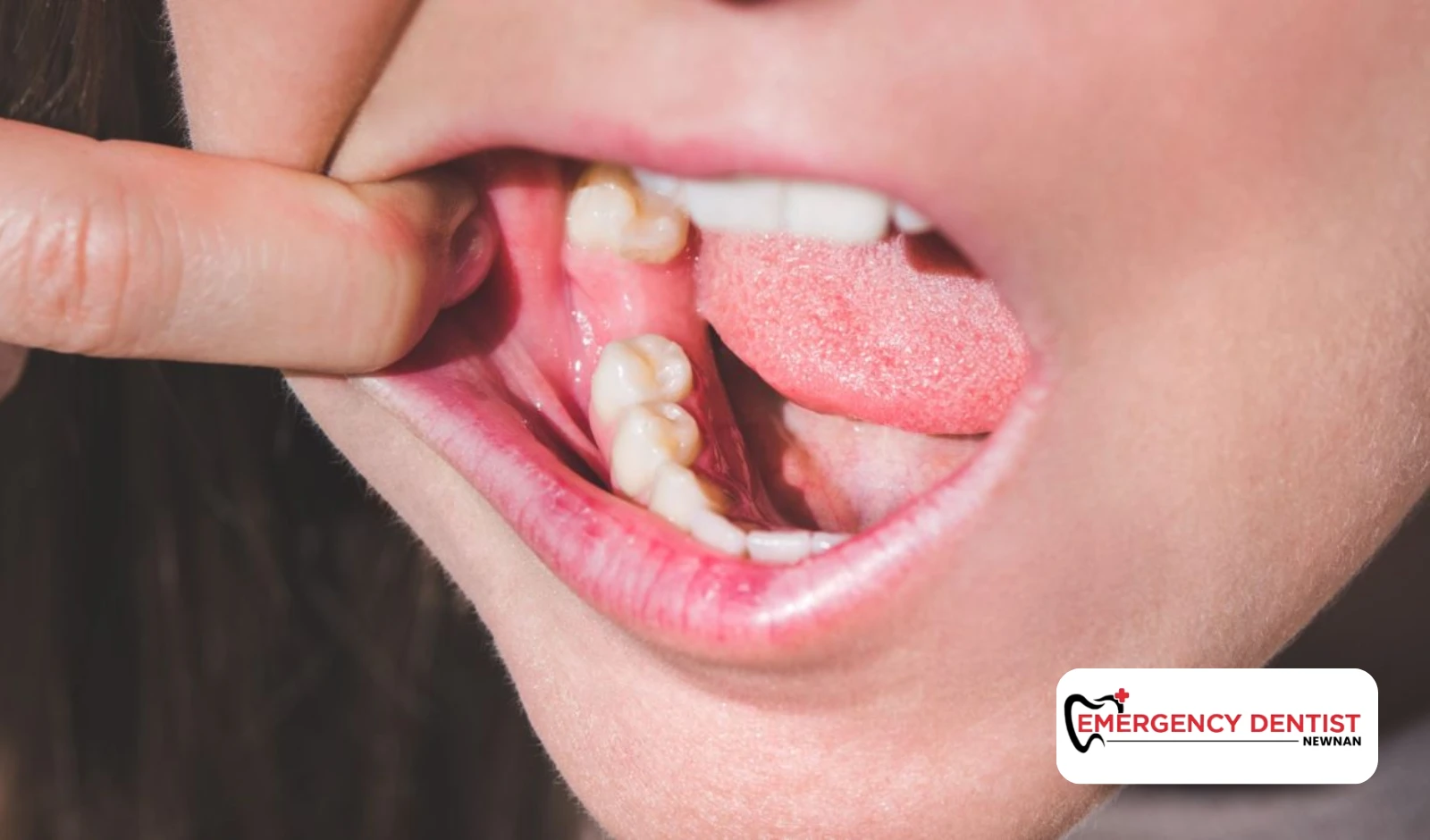
Many patients ask when to stop using gauze after tooth extraction. The answer depends on how your body responds.
In most cases, you can stop using gauze once the bleeding becomes minimal or stops completely. This often happens within hours after surgery.
If you’re wondering how long to keep gauze in after tooth extraction, it is usually only needed during the early hours after surgery. Once bleeding slows, you can safely remove the gauze.
Avoid leaving gauze in your mouth longer than necessary. Keeping it in too long may irritate the area and affect the healing process.
If bleeding continues, you can replace the gauze and bite down gently again. There is no need to use it multiple times a day once bleeding is under control.
What to Expect After 48 Hours
By 48 hours, most patients feel better and notice that bleeding has stopped. The clot should be stable, and healing continues.
At this stage, it is important to avoid anything that could dislodge the blood clot. This includes smoking, drinking through straws, or forcefully rinsing your mouth.
If you notice bleeding that continues into the days after surgery, it is best to contact your dental provider.
Tips to Support the Healing Process
Simple habits can make recovery easier.
Stick to soft foods that are easy to chew and gentle on your mouth. Yogurt, mashed potatoes, and eggs are great choices.
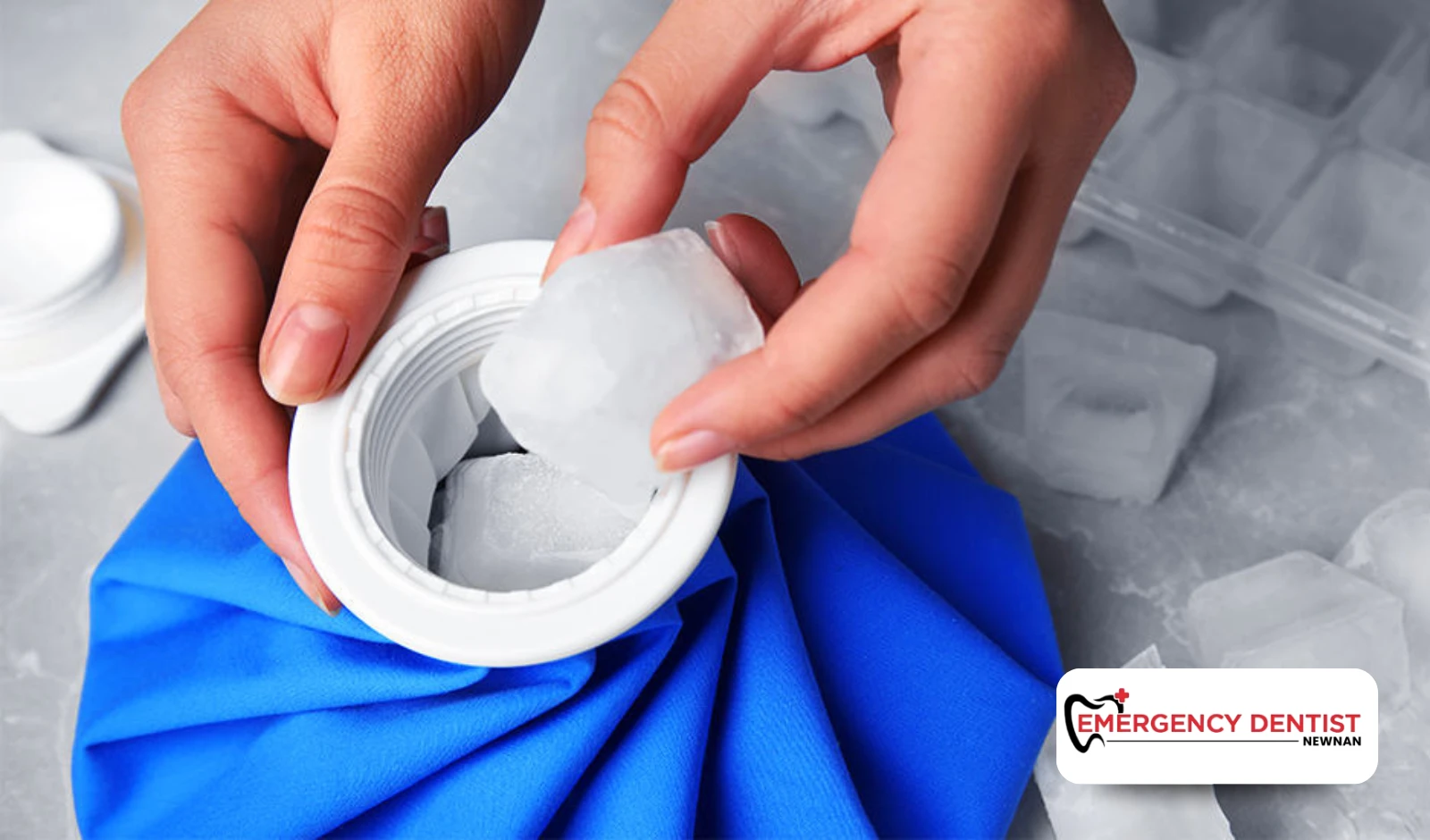
Use ice packs on your cheek to help reduce swelling. Apply them in short intervals throughout the day.
If needed, take pain medication as directed to stay comfortable.
Good oral hygiene is still important. Brush your teeth carefully while avoiding the treated area. During the hours after surgery, you may be advised to rinse your mouth gently to keep the area clean. Avoid doing this too many times a day, as it may affect the clot.
What to Avoid During Recovery

Your habits during the first few days after surgery can affect how well you heal.
Avoid smoking, drinking through straws, or touching the area with your fingers or tongue. These actions can dislodge the blood clot and delay healing.
Using gauze after tooth extraction is only needed early on. Once bleeding slows, you can stop using gauze completely.
Also, avoid hard, crunchy, or sticky foods too soon. These foods can put pressure on the extraction sites and slow healing.
Signs to Watch For
Most patients recover without problems, but it is important to stay aware of your symptoms.
If you notice increasing pain, swelling, or signs of dry socket, contact your dental provider. Dry socket can occur if the clot is lost too early.
Some discomfort in the first few days after surgery is normal, but it should improve over time, not worsen.
Final Thoughts
Understanding when to remove the gauze can help make your recovery smoother and more comfortable. In most cases, gauze is only needed for a short time to help control bleeding.
Once bleeding slows, you can remove the gauze and focus on protecting the area. Following simple care steps will support a healthy healing process.
Still Bleeding After Your Extraction? Get Help Fast
If you’re still dealing with bleeding or discomfort hours or even days after your procedure, don’t wait. An Emergency Dentist in Newnan can provide prompt care, check your healing, and help you recover with confidence.
Frequently Asked Questions
How many times a day should I replace gauze after extraction?
Only replace it if bleeding continues. Once it slows, you can stop using gauze.
What if bleeding starts again after I remove the gauze?
Place a clean gauze pad and bite down gently to help control it.
When can I return to normal foods after extraction?
Start with soft foods and slowly return to your regular diet as your comfort improves.