

Can a Dentist Safely Remove an Infected Tooth
Quick Answer
Can pulling the tooth stop the infection?
In some cases, yes. Removing the tooth may help eliminate the source of bacteria, but dentists carefully assess each situation to decide whether extraction, root canal therapy, or another approach best treats the infection while protecting comfort and overall health.
Key Takeaways
- A dentist may extract an infected tooth when other options are not appropriate
- Tooth extractions can help remove the source of infection
- Early dental care can reduce the risk of infection spreading
- Prompt treatment supports oral health, comfort, and overall health
Tooth pain can be alarming, especially when pain and swelling appear suddenly or worsen over time. Many people ask, can a dentist extract an infected tooth, particularly when the tooth already hurts. Others wonder, will a dentist extract an infected tooth during the same visit or if pulling the tooth could make things worse.
These concerns are completely normal. Infected teeth can be stressful, and the right treatment depends on what’s happening beneath the surface. This guide explains how infected teeth develop, what symptoms to watch for, how dentists decide between treatment options, and when it’s time to seek care. The goal is to help you feel informed and confident while protecting your oral health.

What Happens When a Tooth Becomes Infected
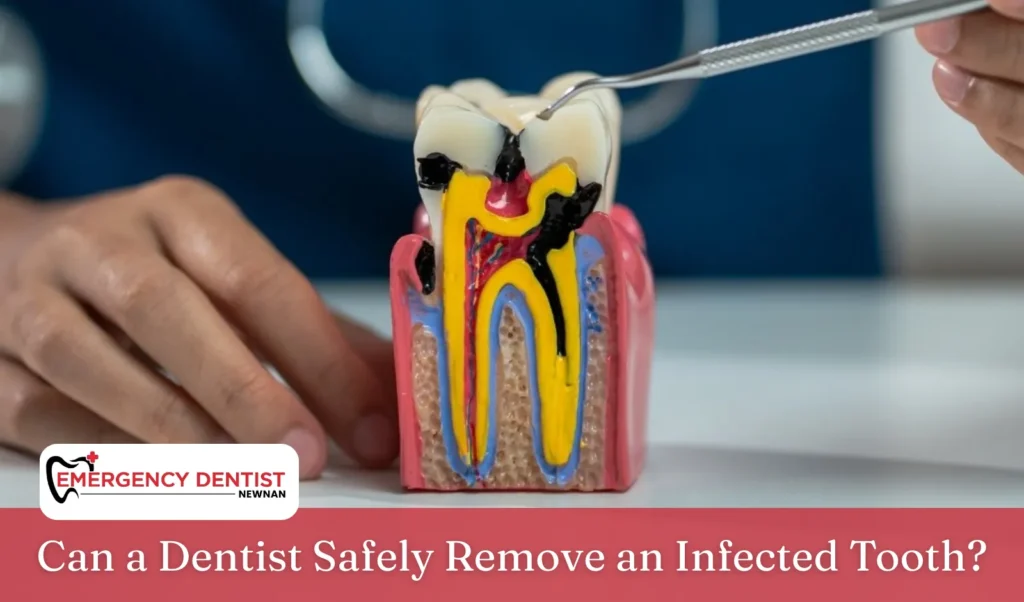
Infected teeth develop when bacteria reach the inner layers of the tooth or the surrounding tissues. This often happens because of deep decay, cracks in the tooth, broken dental work, or advanced gum disease. Once bacteria enter the tooth, the body reacts with inflammation as it tries to remove the infection.
If left untreated, the infection can spread beyond the tooth and affect nearby structures. This is why dental care matters early. Addressing infected teeth promptly helps protect surrounding tissues and reduce the risk of more serious complications that can affect overall health.
Common Signs of Infected Teeth
Symptoms can vary from person to person, but infected teeth often show similar warning signs, including:
- Ongoing tooth pain or pressure
- Pain and swelling around the gums or jaw
- Sensitivity when chewing or biting
- Swollen lymph nodes in the neck or jaw
- A persistent bad taste or odor
Even mild discomfort deserves attention. Infected teeth do not always cause severe pain right away, but changes can happen quickly when the condition is left untreated.
Can a Dentist Extract an Infected Tooth
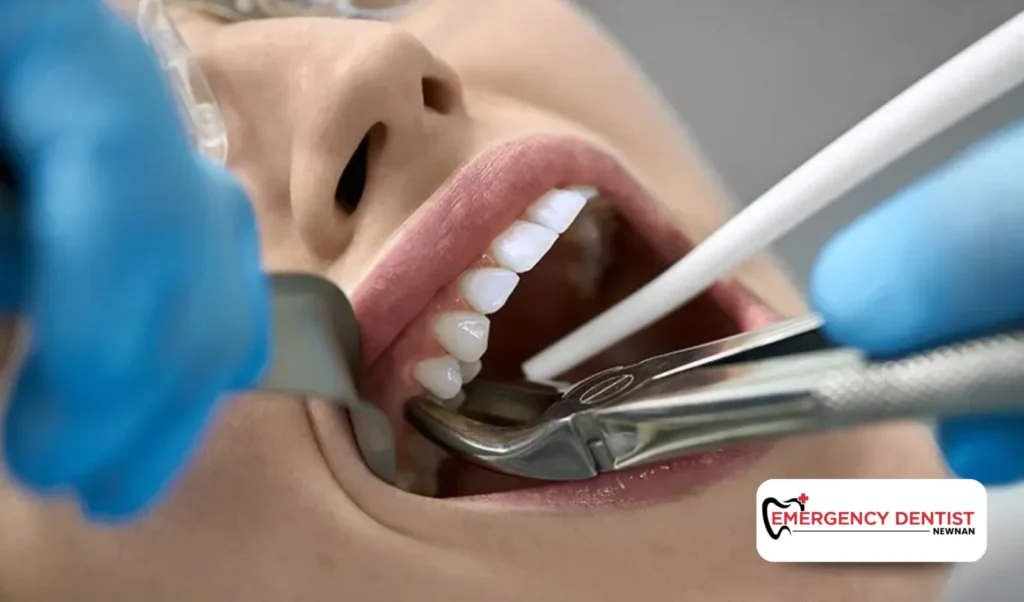
In many situations, the answer is yes. A dentist can extract an infected tooth, but the decision depends on several important factors. Dentists evaluate how advanced the infection is, whether the surrounding tissues are stable, and if the tooth can be saved.
When patients ask, will the dentist extract infected teeth during a visit, the answer usually comes after an exam. Sometimes extracting a tooth helps remove the infection and allows the area to heal. In other cases, dentists may first focus on calming the infection, which can include prescribing antibiotics before extracting a tooth.
The main goal is always the same: remove the infection, protect surrounding tissues, and support long-term oral health.
How Dentists Approach Tooth Extractions
When tooth extractions are recommended, patient comfort is a top priority. The process often includes:
- Numbing the area to minimize discomfort
- Carefully extracting the tooth while protecting nearby structures
- Supporting proper blood clotting after removal
- Providing instructions to protect healing tissues
When infected teeth are involved, dentists closely monitor the surrounding tissues. Extra care is taken to reduce irritation and support proper healing after extracting a tooth.
When Removing the Tooth Is Not the First Option
Not every infection requires pulling the tooth. In some cases, dentists may recommend root canal therapy, which treats the infection while keeping the natural tooth in place. This approach helps preserve chewing function and prevents changes to your bite.
Your dentist will explain whether treatment should focus on saving the tooth or extracting the tooth. Either option is chosen to treat the infection safely and reduce the risk of future problems.
Why Treating Infection Early Matters
An infected tooth left untreated can affect more than just your smile. Infection can increase pain and swelling, interfere with eating or sleeping, and place stress on surrounding tissues. In some cases, infection can spread beyond the mouth if left untreated.
Prompt dental care helps:
- Treats the infection effectively
- Helps reduce the risk of complications
- Protects surrounding tissues
- Supports long-term oral health
Addressing the problem early often leads to simpler care and better outcomes.
Helpful Tips While Waiting for Dental Care
If you’re waiting to see a dentist, these gentle steps may help manage discomfort:
- Avoid chewing on the affected side
- Keep your mouth clean with gentle brushing
- Stay hydrated
- Watch for changes in tooth pain or swelling
These steps do not replace professional dental care, but they may help you stay more comfortable until your appointment.
When Should You Call an Emergency Dentist
You should reach out for an Emergency Dentist in Newnan if you notice:
- Persistent or worsening tooth pain
- Swelling that does not improve
- Fever-like symptoms or swollen lymph nodes
- Difficulty chewing or opening your mouth
Trust your instincts. If something feels off, calling for guidance is always the right step.
Final Thoughts
Facing an infected tooth can feel overwhelming, especially when pain is involved. Whether a dentist recommends extracting a tooth, prescribing antibiotics, or using another treatment to remove the infection, the goal is always the same: protect your comfort, oral health, and overall health. Asking questions and acting early puts you back in control of your dental care.
Trusted Emergency Dental Care in Newnan
Tooth pain and infection can quickly disrupt daily life. If you’re dealing with discomfort or signs of infection, the team at Emergency Dentist in Newnan is ready to help. Care focuses on clear explanations, thoughtful evaluation, and treatment options designed to remove the infection while protecting your comfort and oral health.
Reaching out early can help you understand your options and move forward with confidence.
Frequently Asked Questions
Will my dentist pull an infected tooth right away?
Sometimes. It depends on how stable the area is, how advanced the infection appears, and what the exam shows.
Is extracting a tooth always painful?
Not usually. Dentists focus on numbing the area and keeping patients comfortable throughout the procedure.
Can infection spread if it’s ignored?
Yes. When left untreated, infection can spread to surrounding tissues and lead to more serious concerns over time.