
Can't Sleep From Tooth Pain? What to Do Before Morning
Quick Answer
Why can a toothache keep you awake at night?
Tooth pain may feel worse at night because lying down can increase pressure around irritated tissues. The quiet environment may also make discomfort easier to notice, making it harder to fall asleep or stay asleep.
Key Takeaways
- Tooth pain may seem stronger during the evening and overnight hours.
- Cavities, infections, cracked teeth, and gum disease are common causes.
- Several home remedies may offer temporary relief.
- Swelling or fever symptoms may require prompt attention.
- Early dental care may help prevent more serious dental issues.
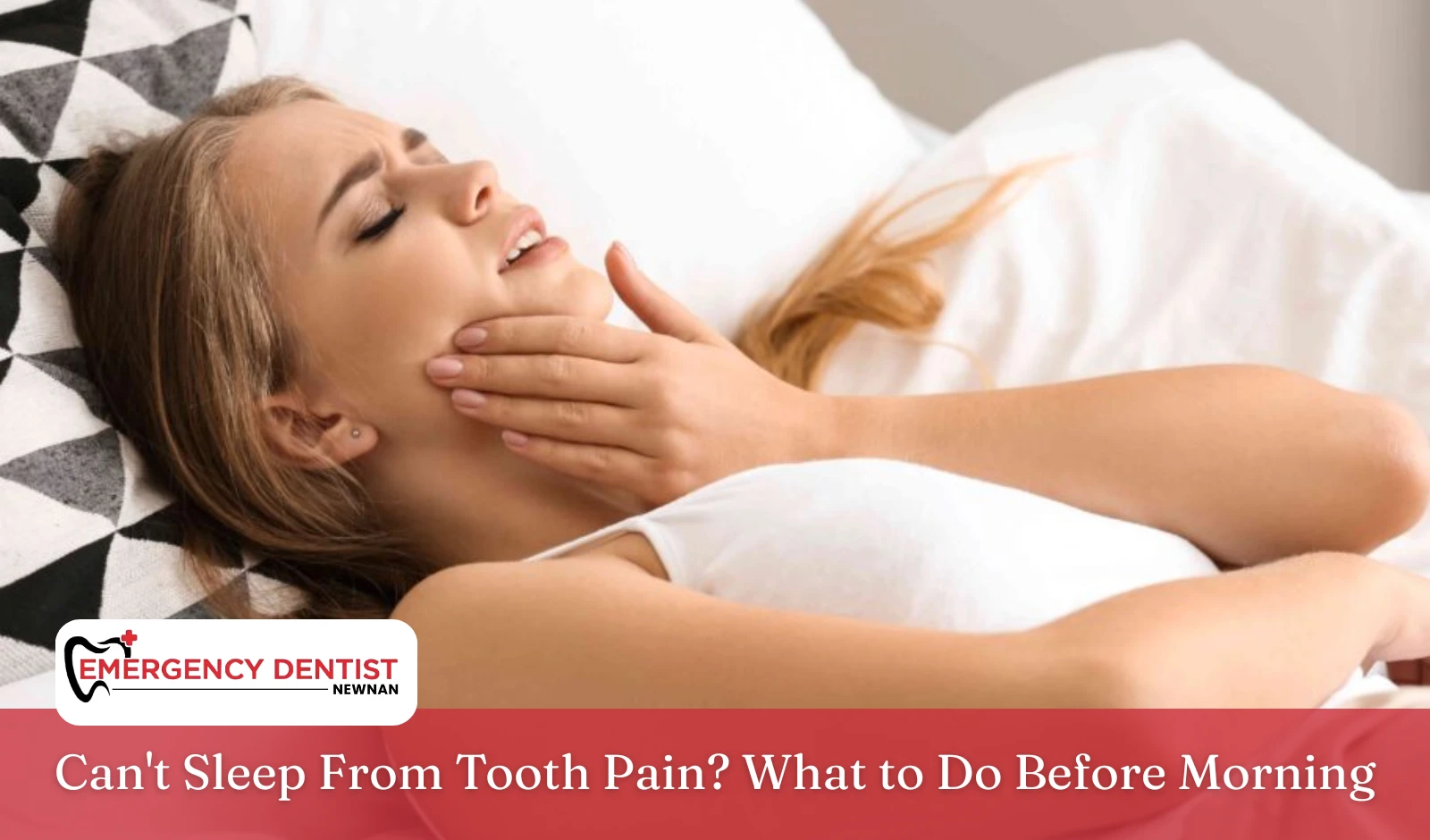
A toothache can quickly turn a normal evening into a frustrating night. Many people search online because they can’t sleep from tooth pain and are looking for ways to stay comfortable until they can see a dentist.
Sometimes the discomfort feels like a dull ache. Other times, it becomes sharp, throbbing, or constant. In severe cases, people find themselves awake for hours because the pain refuses to settle down.
Sleep plays an important role in healing and overall wellness. When dental pain interrupts your rest, it can affect your mood, concentration, and energy levels the next day. Understanding the possible causes and knowing what steps may help can make the night easier to manage.
Why Tooth Pain Often Feels Worse at Night

Many people notice that a toothache becomes more intense after they lie down.
One reason involves changes in blood flow. When you recline, additional pressure may build around irritated tissues, making discomfort feel stronger.
The lack of distractions also plays a role. During the day, work, school, errands, and conversations help keep your attention occupied. At night, the quiet environment makes every sensation easier to notice.
Some people even search online for “extreme tooth pain can’t sleep” when symptoms become severe enough to interfere with rest for hours.
Common Causes of Tooth Pain at Night
Several conditions may contribute to discomfort that becomes more noticeable after bedtime.
Tooth Decay
Cavities are among the most common causes of toothaches. As decay moves deeper into the tooth, sensitive inner layers may become exposed, leading to discomfort.
Tooth Infection
An infection inside the tooth may create throbbing pain that worsens when resting. Sensitivity to chewing, pressure, or temperature changes may also occur.
Cracked or Damaged Teeth
Even a small crack can expose sensitive tissues and trigger pain during everyday activities.
Gum Problems
Tender or swollen gums may contribute to soreness around the teeth. In advanced situations, gum disease may damage the tissues that support the teeth and increase sensitivity.
Sinus Pressure
Not every toothache starts inside the mouth. Some sinus infections create pressure near the roots of upper teeth, causing symptoms that feel very similar to a dental problem.
Signs That Should Not Be Ignored
Certain symptoms may suggest a more serious problem that requires attention.
Contact a dental professional if you experience:
- Severe or worsening pain
- Facial swelling
- Difficulty chewing
- Ongoing sensitivity
- A bad taste in the mouth
- Swelling or fever
- Pain lasting several days
These warning signs may indicate infections or other significant dental issues that require treatment.
Ways to Manage Tooth Pain Until Morning

Although at-home care cannot solve most dental problems, several methods may provide temporary relief.
Keep the Area Clean
Food particles trapped around a damaged tooth may worsen irritation. Gently brush and floss around the area to remove debris and support better cleanliness.
Try a Warm Salt Water Rinse
A saltwater rinse may help soothe irritated tissues while helping keep the mouth cleaner before bedtime.
Use Cold Therapy
You can apply a cold compress to the outside of the cheek near the painful area. Cold therapy may help reduce swelling and improve comfort for a short period.
Consider Over-the-Counter Medication
Many people use counter pain relievers while waiting for dental treatment. Depending on your medical history, products containing ibuprofen or acetaminophen may help manage discomfort temporarily.
These medications are often used as a form of counter pain relief, but they do not treat the underlying cause of the problem.
Sleep With Your Head Elevated
Lying completely flat may increase pressure around irritated tissues. Using extra pillows to raise your head may help you rest more comfortably.
Clove Oil
Among traditional home remedies, clove oil remains a popular option. Some people use it because it may assist with numbing the area temporarily.
However, it should only be viewed as a short-term measure rather than a permanent solution.
Tips for Getting More Comfortable Before Bed
If a toothache is preventing sleep, a few small adjustments may help.
Consider:
- Drinking water regularly
- Avoiding sugary snacks before bedtime
- Keeping your mouth clean
- Using cold therapy when needed
- Sleeping with your head elevated
- Avoiding chewing on the painful side
While these steps may help reduce pain, they are not substitutes for professional treatment.
What Can Make Tooth Pain Worse?
Certain foods and habits may increase irritation.
Try to avoid:
- Extremely hot drinks
- Ice-cold beverages
- Hard foods
- Sticky candy
- Sugary snacks before bed
- Chewing on the affected side
Reducing these triggers may help prevent symptoms from becoming more noticeable overnight.
When Professional Care Becomes Important
A toothache that keeps returning should not be ignored.
If symptoms persist, worsen, or repeatedly interfere with sleep, it is time to seek professional dental care.
A dental examination can help determine whether the problem involves decay, infection, injury, or another condition.
Depending on the diagnosis, treatment may include:
- Fillings
- Crowns
- Treatment for gum problems
- Tooth repair
- Antibiotics when appropriate
- Root canal treatment
Prompt care often helps prevent complications and may lead to simpler treatment.
Protecting Your Oral Health
Daily habits play a major role in preventing future toothaches.
Maintaining strong oral health often includes:
- Brushing twice daily
- Flossing every day
- Drinking water regularly
- Limiting sugary foods and drinks
- Attending routine dental visits
- Addressing concerns early
These habits may help lower the risk of cavities, infections, and other common dental concerns.
Final Thought
Tooth pain can make even the most comfortable bed feel impossible to enjoy. While rinses, cold therapy, and other comfort measures may help temporarily, they do not solve the underlying cause. Whether discomfort is related to decay, infection, injury, or inflammation, prompt dental care offers the best chance for lasting relief. If a toothache is preventing sleep, getting professional help may be the fastest path back to a comfortable night.
Can't Sleep Because of Tooth Pain? Get Emergency Help
A sleepless night caused by tooth pain is often a sign that something needs attention. At Emergency Dentist in Newnan, our team provides urgent evaluations for toothaches, infections, broken teeth, and other unexpected dental concerns. We focus on identifying the cause of discomfort and helping patients understand their treatment options. If tooth pain is affecting your sleep, contact our office today to schedule an emergency dental appointment and take the first step toward lasting relief.
Frequently Asked Questions
Can sinus pressure cause tooth pain?
Yes. Some sinus infections may create pressure near upper tooth roots and cause symptoms similar to a toothache.
How can I help reduce inflammation around a painful tooth?
A cold compress and good oral hygiene habits may help reduce inflammation until you can see a dentist.
Can elevating my head help reduce pain?
Yes. Using extra pillows to keep your head elevated may help reduce pain and pressure while resting.