

Does Dental Insurance Cover Implants and Procedures?
Dental implants are one of the most trusted and long-lasting solutions for replacing missing teeth. However, many people still ask: does dental insurance cover implants? Understanding how insurance coverage works is key when planning dental care, managing pocket costs, and making the most of your insurance benefits.
Because dental implants are considered major procedures, whether they are covered depends on your dental plan and the insurance company. This guide will help you understand how dental insurance plans cover the cost, what terms you should know, and how to reduce your pocket costs.
What Are Dental Implants and Why Do People Get Them?
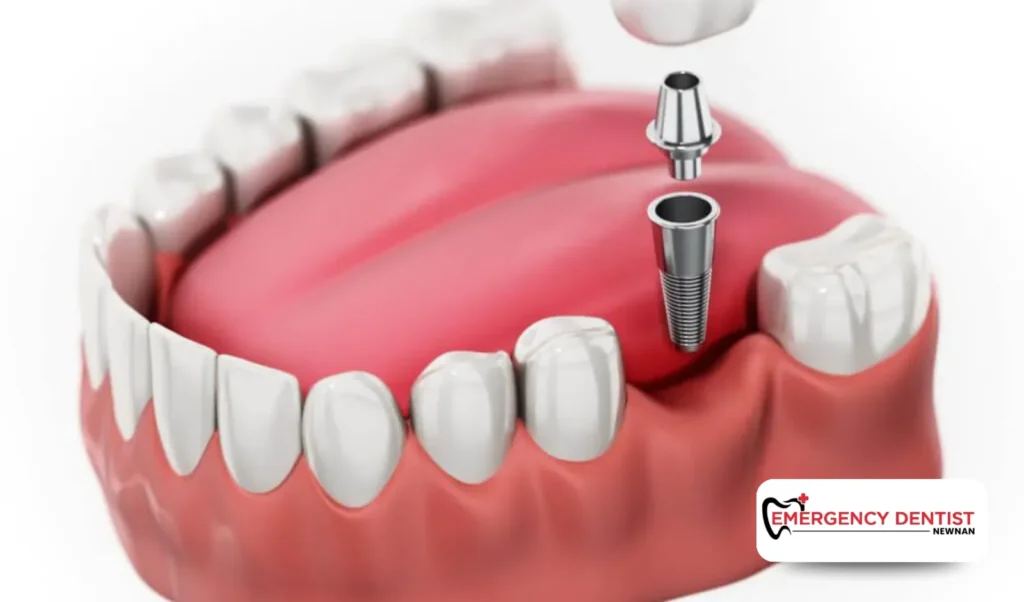
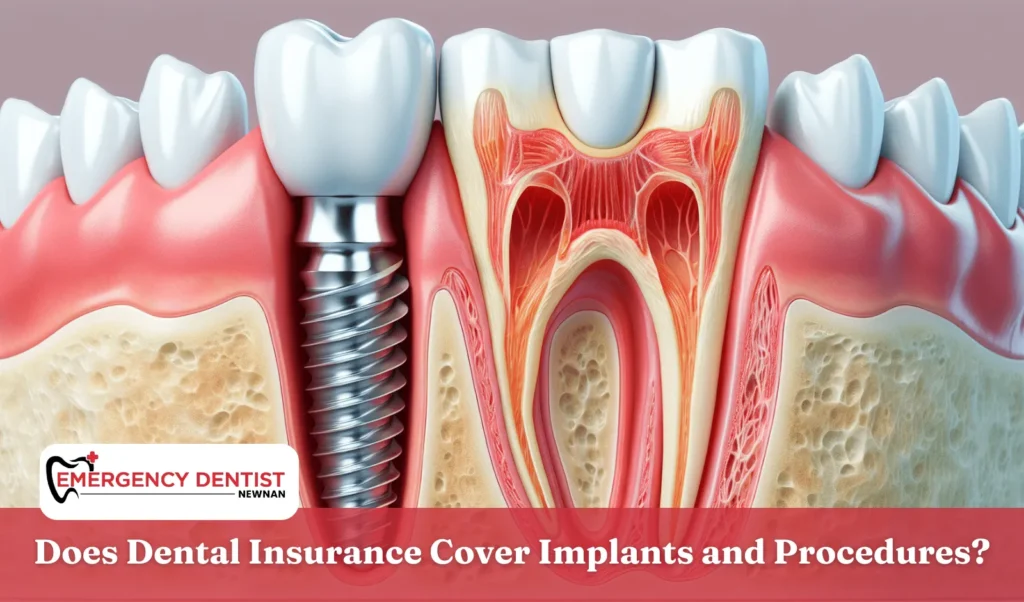
A dental implant is a dental procedure where missing or damaged teeth are replaced with artificial ones that look and work like natural teeth. Implants support chewing, improve oral health, and help restore your smile. Many people choose implants over other dental procedures because they are strong, comfortable, and long-lasting. However, not every dental insurance plan covers implants because they are often considered major procedures.
Does Insurance Cover Dental Implants? Understanding Your Policy
One of the biggest questions is: are dental implants covered by insurance? The answer depends on your insurance coverage and the plan offered by your insurance company. While some plans may help cover dental implants, others may only cover certain parts of the dental implant procedure such as exams, X-rays, or crowns. Sometimes, dental insurance covers implants only if your insurance company views the treatment as medically necessary rather than cosmetic.
To know what your dental plan covers, always check your policy or talk to your insurance provider. Understanding your insurance benefits helps reduce pocket costs and allows you to plan your treatment wisely.
Types of Insurance Plans and What They Cover
Different plans offer different types of dental coverage:
Basic Dental Plans
These plans usually cover preventive dental care like exams, cleanings, and fillings, but they typically do not cover dental implants.
Dental Insurance Plans Covering Major Procedures
Some dental insurance plans cover major procedures like extractions, crowns, or parts of dental implants. However, it depends on the plan offered and whether insurance will cover implants if medically necessary.
Health Insurance Plans
In some cases, health insurance may help cover the cost of dental implants if tooth loss is caused by injury, illness, or other health-related problems.
Because all plans are different, it’s important to confirm whether your dental insurance cover implants before starting treatment.
Key Insurance Terms Explained
Understanding certain insurance terms can help you better manage your costs:
This is the amount of time you must wait after buying insurance before major procedures like implants are covered by your plan.
Annual Maximum
This is the highest dollar amount your insurance company will pay for dental care in a benefit year. Once you reach this limit, any additional costs become out-of-pocket expenses.
Insurance Benefits
These are the dental procedures your plan covers, such as exams, tooth extractions, or parts of dental implants.
How Insurance Companies Decide Coverage
Insurance companies often look at medical necessity when deciding if they will cover dental implants. If implants are needed to restore chewing function, prevent tooth loss problems, or improve oral health, they may help cover the cost. However, if the treatment is only for appearance, coverage may be limited.
The insurance company might also compare implants with other treatment options, such as dentures or bridges. Whether your plan covers implants usually depends on your dental coverage, treatment needs, and medical advice.
How to Reduce the Cost of Dental Implants
Even if your plan doesn’t fully cover the cost of dental implants, you can still reduce your expenses by:
- Using your annual maximum across different treatment stages
- Asking if your plan covers specific parts of the dental implant procedure
- Checking if both dental and health insurance plans cover the cost
- Asking your dentist about financing or payment plans
Understanding how your insurance coverage works can make treatment more affordable and easier to manage.
Why You Should Consult a Dentist First

Before starting a dental implant procedure, it’s important to speak with a dental professional for medical advice. They can explain the treatment, help you review your insurance coverage, and guide you on which dental plan options may work for your needs.
If you’re facing urgent issues like tooth loss or damage, an Emergency Dentist in Newnan can provide timely care, discuss your treatment options, and help you understand whether your insurance will cover implants. Getting guidance early makes the process easier, clearer, and more cost-effective.
Final Thoughts: Planning Ahead
So, does dental insurance cover implants? The answer depends on your dental plan, insurance coverage, and whether the procedure is medically necessary. Learning key terms like waiting period, dental coverage, annual maximum, and insurance benefits helps you better manage the cost of dental implants.
While not all insurance plans fully cover implants, many may help with certain parts of the procedure, making treatment more affordable and easier to plan.
If you are considering implants or need dental care, speak with an Emergency Dentist in Newnan to explore your treatment choices, review your insurance benefits, and make confident decisions for your smile.