
Healing After Tooth Extraction:
Recovery Guide
Quick Answer
How long does healing after tooth extraction take?
Healing after tooth extraction begins within the first 24 hours as a blood clot forms to protect the extraction site. Most people begin to feel better within one to two weeks, while full healing of the gum tissue may take several weeks depending on the healing process and aftercare routine.
Key Takeaways
- Healing starts within the first 24 hours
- A blood clot protects the extraction site
- Soft foods help reduce irritation
- Keeping the area clean supports recovery
- Avoiding smoking lowers complication risks
- Simple care habits support the healing process
Healing after tooth extraction starts immediately once the procedure is complete. Your body begins repairing the area by protecting the open space and rebuilding the surrounding tissue.
During this healing journey, your body works beneath the surface to restore balance and protect sensitive areas. While everyone heals at a slightly different pace, most people notice steady improvement with proper care.
Understanding the healing process can help you feel more confident and prepared. The goal is to protect the area and allow your body to recover naturally without interruption.
What Happens Immediately After a Tooth Extraction
After a tooth extraction, your body forms a protective layer inside the empty socket. This layer helps cover the bone and nerves while healing begins.
The extraction site may feel sore, and mild swelling is common in the early stage. These symptoms are part of your body’s natural response and usually improve gradually.
Taking care of this early stage supports proper extraction healing and reduces the risk of complications.
The First 24 Hours: A Critical Stage

The first 24 hours are one of the most important parts of tooth extraction healing. During this time, a blood clot forms in the socket and acts as a protective barrier.
To support this stage:
- Rest and limit activity
- Keep your head slightly elevated
- Avoid touching the area
You can also apply ice packs on your cheek for about 20 minutes at a time to help reduce swelling and stay comfortable.
Protecting the clot is essential to help prevent dry socket, which can delay healing.
Days 2 to 3: Early Recovery Phase
After the first day, the area usually begins to feel more stable. Swelling may decrease, and discomfort becomes easier to manage.
During this stage:
- Take pain medication if needed
- Keep activities light
- Avoid pressure on the area
Even though symptoms improve, the healing process continues beneath the surface, so consistency in care is important.
One Week Later: Gradual Improvement
By the end of the first week, many people notice steady progress. The gum tissue begins to close over the area, and daily activities become easier.
However, deeper healing is still taking place. Staying mindful during this stage helps prevent setbacks.
Focus on:
- Continuing gentle care
- Avoiding hard or crunchy foods
- Keeping a steady routine
What to Eat During Recovery
Your diet plays an important role in your recovery. Choosing the right foods helps protect the extraction site and reduces irritation.
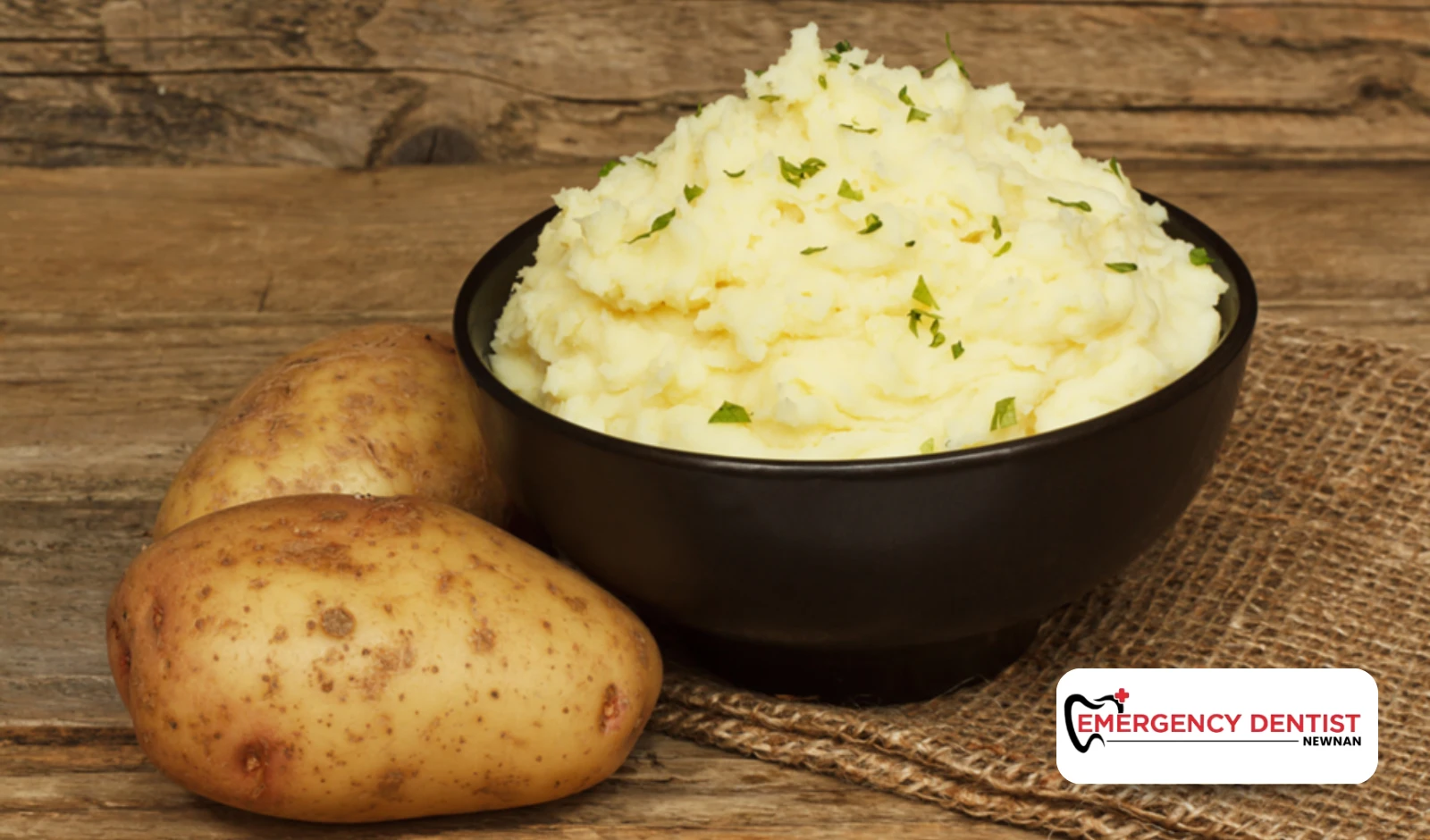
Start with soft foods such as:
- Mashed potatoes
- Scrambled eggs
- Yogurt or smoothies
These foods are easy to eat and gentle on the area.
As your comfort improves, you can slowly introduce solid foods. Take your time and avoid anything that feels too hard or uncomfortable.
Simple Care Tips to Support Healing
Supporting your recovery does not need to be complicated. Small, consistent habits can make a big difference.
- Gently rinse your mouth after the first day
- Keep the area clean to reduce irritation
- Stay hydrated
- Maintain good oral hygiene while avoiding direct contact
These steps help support extraction healing and keep your mouth comfortable.
Preventing Common Complications

Most people recover without problems, but certain habits can interfere with healing.
One common concern is dry socket, which can occur if the protective clot becomes dislodged too early. This can expose sensitive areas and delay healing.
To reduce the risk:
- Avoid using straws
- Do not spit forcefully
- Be gentle when eating
Avoiding smoking is also important, as it can slow healing and increase the chance of complications.
What Your Healing Journey May Feel Like
Each healing journey is different, but most people notice steady improvement over time. As the days pass, discomfort usually lessens and the area begins to feel more stable.
You may experience:
- Less discomfort each day
- Reduced swelling
- Increased comfort while eating
Staying patient and following simple care steps can help support a smooth healing process.
When to Seek Professional Care
While mild discomfort is normal after a tooth extraction, some symptoms may require attention. If you notice changes that do not improve or begin to feel worse, it may be a good idea to have the area checked.
Watch for:
- Pain that worsens instead of improving
- Swelling that does not decrease
- Difficulty eating or speaking
If you notice these signs, it is best to seek professional care.
An Emergency Dentist in Newnan can evaluate your condition and help ensure your recovery is progressing properly.
Final Thoughts
Tooth extraction healing takes time, but most people recover smoothly when they follow simple care steps. Protecting the area, choosing the right foods, and staying consistent with aftercare can support a steady recovery.
Avoid rushing back into your normal routine too quickly. Giving your body enough time to heal can make a noticeable difference in how you feel each day.
With patience, good habits, and the right approach, your healing journey can feel more manageable and less stressful.
Get the Support You Need During Recovery
If something does not feel right during your recovery, it is always best to take action early. Small concerns can turn into bigger issues if they are ignored.
If you have questions or want reassurance, an Emergency Dentist in Newnan can evaluate your healing progress and help guide your next steps.
Getting timely care can help you stay comfortable, avoid complications, and protect your long-term oral health.
Frequently Asked Questions
Is it normal to feel mild pressure around the extraction site after a few days?
Yes, a mild feeling of pressure can happen as your body adjusts and continues healing. This should gradually improve as the area becomes more stable.
Can I drink beverages right after my extraction?
Yes, but it’s best to choose drinks that are not too hot or too cold. Drinking slowly can help prevent irritation and protect the area.
How should I position myself when resting?
You can slowly return to regular meals as your comfort improves. Begin with soft foods and gradually introduce more solid options.
When can I start eating regular meals again?
You can slowly return to regular meals as your comfort improves. Begin with soft foods and gradually introduce more solid options.
What should I do if discomfort continues after several days?
Mild discomfort is normal, but if it worsens or does not improve, it may be best to have it checked.
Can I brush my teeth after the extraction?
Yes, but be gentle and avoid brushing directly over the extraction site during the early stages of healing.
Is it okay to move my jaw normally after the procedure?
Yes, normal movement is fine, but avoid excessive movement that may irritate the area.
How long should I avoid crunchy or hard foods?
It’s best to avoid these foods until the area feels stable. Slowly reintroduce them as your comfort improves.
What if the area feels sensitive while eating?
Sensitivity is common during recovery. Stick to soft foods and avoid putting pressure on the area until it improves.
When will I feel fully comfortable again?
Most people feel much better within a few weeks, but full healing can take longer depending on your situation and care routine.