
Home Remedy for Tooth Infection: Calm Relief Tips That Help
When tooth pain or swelling appears without warning, it can feel upsetting and hard to ignore. Many people search for natural remedies for tooth infection or a home remedy for tooth infection because they want gentle relief while they figure out what to do next.
This supportive guide explains why infections develop, symptoms to watch for, oral health natural remedies people commonly try, and when it may be time to contact a dentist. The goal is to help you feel reassured and informed so you can make calm, confident choices about your oral health.
Why Tooth Infections Can Develop
A tooth infection may begin when bacteria reach an infected area in or around a tooth. This may happen because of:
- Untreated or deep tooth decay
- Cracks or fractures in the tooth
- A loose or broken filling
- Gum infection or gum disease
Sometimes, the issue may develop into a tooth abscess, which is a pocket of fluid near the tooth or gums. If the problem is not treated, discomfort may worsen and everyday activities like talking, eating, and sleeping may become difficult. Understanding what is happening helps you respond calmly rather than with panic.
Symptoms You Might Notice
Tooth infections can feel different for each person. However, many people report:
- A steady toothache or pressure
- Sensitivity to hot or cold
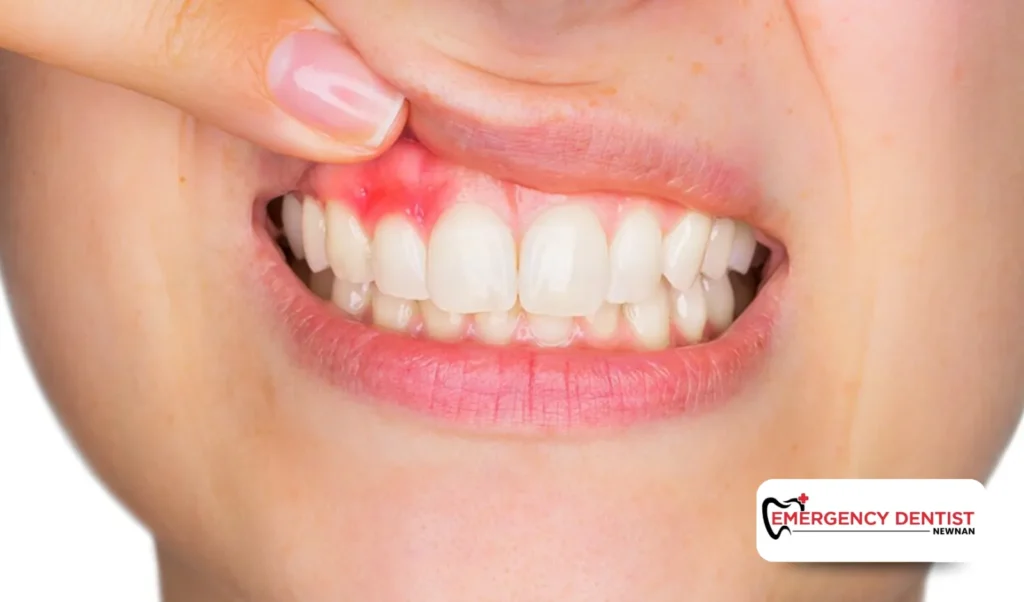
- Swelling close to the sensitive area or irritated spot
- Tender gums
- A bitter or unusual taste
- Trouble chewing on one side
If swelling spreads, pain becomes severe, or you develop a fever, contact a dental professional as soon as possible. Early care can protect your health and help prevent complications.
Home Remedies That Some People Try for Short-Term Comfort

While natural remedies for tooth infection cannot replace dental treatments, some people find temporary relief from simple comfort steps until they can see a dentist. Avoid anything that burns, stings, or damages the gums.
Saltwater Rinse
A saltwater rinse is one of the most common comfort methods. Mix a teaspoon of salt into a glass of warm water and gently swish. Because salt has antibacterial properties, this rinse may help reduce swelling, wash away debris, and support mouth freshness as it reduces bacteria around the tooth.
Hydrogen Peroxide Rinse
Some people use a hydrogen peroxide rinse by mixing equal parts water and hydrogen peroxide. Hydrogen peroxide has strong antibacterial qualities and may help kill bacteria on the surface. Always dilute it, never swallow, and rinse again with clean water afterward.
Clove Oil
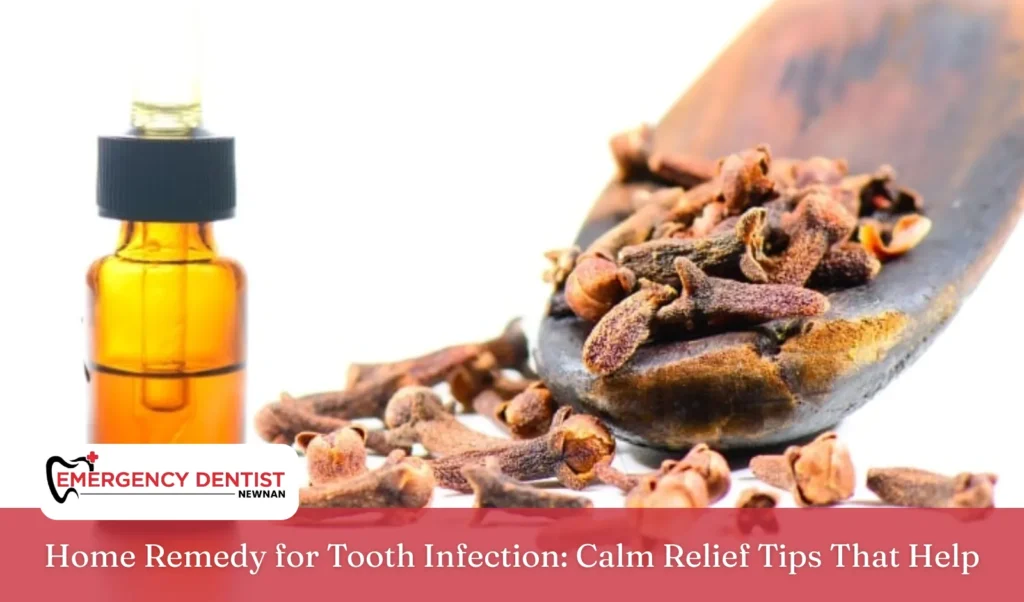
A cotton swab with drops of clove oil is another traditional home remedy for tooth infection discomfort. Clove is known for anti-inflammatory properties and antibacterial properties, which is why some people associate it with soothing root canal pain or toothache. Avoid leaving large amounts on the gums for too long, as it may irritate tissues.
Cold Compress
Holding a cold compress against the cheek near the sensitive spot may help calm tissues and lower soreness for a short time.
Pain Relievers
Some people choose an over-the-counter pain reliever as directed on the label to manage discomfort until they receive professional care.
These comfort ideas are meant only for short-term support. They do not cure infection, kill bacteria inside the tooth, or replace professional dental treatments.
Why Seeing a Dentist Is Still Important
Even if oral health natural remedies help you feel better, only a dentist can assess what is happening inside the tooth and surrounding tissues. In some cases, treatment such as a root canal may be recommended to help protect your long-term oral health.
A dentist can also check for:
- Cracks you may not see
- Deep decay
- Gum problems
- A developing tooth abscess
Professional evaluation often brings peace of mind and helps prevent the infected area from worsening.
When to Call a Dentist

Contact a dentist promptly if you notice:
- Severe or ongoing pain
- Swelling that spreads
- A tooth abscess or visible pus
- Fever or feeling unwell
- Pain that affects sleep or eating
- Symptoms that do not improve with comfort care
Quick attention may help protect the problem area, nearby teeth, and your overall health.
Simple Ways to Care for Your Mouth at Home
While you wait for your appointment, gentle daily habits may support comfort:
- Brush softly around the tooth and nearby gums
- Try chewing on the opposite side
- Drink plenty of water
- Use mild rinses to keep your mouth fresh
- Avoid tobacco and alcohol, which may irritate tissues
These small habits can help reduce irritation without placing extra stress on the tooth.
Final Thoughts
It is completely normal to feel uneasy when tooth pain or swelling begins. The encouraging news is that many people recover well with the right mix of natural remedies for tooth infection for short-term pain relief and professional dental care. Staying aware of symptoms and reaching out to a dentist when needed can help protect your smile and long-term oral health. You do not have to handle this alone. Supportive care is available.
Compassionate Dental Support in Newnan
If you’re dealing with tooth pain, swelling, or think you may have a tooth abscess, caring help is close by. An Emergency Dentist in Newnan provides prompt, friendly care and clear guidance, so you don’t have to manage discomfort or worry about the affected area on your own.
Whether your symptoms are new or have been building over time, the team takes time to listen, answer your questions, and recommend the right treatment to protect your oral health. Reach out today to schedule an appointment and get the professional reassurance and relief you deserve.
Frequently Asked Questions
Do natural remedies for tooth infection really work?
Natural remedies for tooth infection may offer short-term comfort, but they do not cure the infection. A dentist still needs to check the affected area and provide treatment if needed.
What is the best home remedy for tooth infection pain?
A warm saltwater rinse, a diluted hydrogen peroxide rinse, or a few drops of clove oil may help relieve discomfort for a short time. However, these do not replace professional dental care.
Will a tooth infection go away without treatment?
No, a tooth infection rarely goes away on its own. If left untreated, it may spread or worsen. Contact a dentist promptly if pain, swelling, or a tooth abscess develops.