

How Long Does a Root Canal Take & Recovery Guide

When you have severe tooth pain, advanced decay, or an infection, your dentist may suggest one of two main dental procedures , a root canal or a tooth extraction. Both treatments can address the problem, but they serve different purposes. Understanding root canal vs extraction can help you make an informed decision for your natural teeth and long-term oral health.
Why a Root Canal Is Needed
A root canal is necessary when the dental pulp, the soft tissue inside the tooth that contains nerves and blood vessels becomes infected or inflamed. This can happen because of untreated cavities, cracks, or trauma. Once the pulp becomes infected, it cannot heal on its own and requires endodontic treatment.
If left untreated, the infection may spread beyond the tooth, causing swelling, bone damage, and possibly requiring tooth extraction. Timely root canal therapy removes the infected pulp, preserves your treated tooth, and protects your oral health.
How Long Does a Root Canal Take?
On average, a root canal procedure takes about 90 minutes. In simpler cases, particularly on canines and incisors, the dental procedure can often be completed in a single visit. However, more complex teeth like molars may require multiple visits because they have more canals.
Patients often ask:
- How long does it take to do a root canal? Generally 1–2 hours.
- How long does a root canal procedure take? It depends on the severity of the infection and the provider’s experience.
Step-by-Step Root Canal Procedure
- Local Anesthetic – Your dentist numbs the area for a comfortable, pain-free experience.
- Accessing the Dental Pulp – A small opening is made to reach the infected pulp.
- Cleaning and Shaping – The dentist or endodontist carefully removes the infected soft tissue from the canals.
- Filling and Sealing – The cleaned canals are filled and sealed with a biocompatible material to prevent reinfection.
- Restoration – A dental crown is placed to strengthen and protect your treated tooth.
When wondering how long does it take for a root canal, remember that extra treatments or complex anatomy can make the procedure longer.
Recovery Period
Another common question is, how long does a root canal take to heal. Most patients can return to normal activities within a day, but full root canal recovery may take several days for the surrounding soft tissue to settle.
It’s normal to feel mild tenderness or sensitivity, which can be managed with over-the-counter pain relief. Avoid chewing on the treated tooth until the dental crown is permanently placed.
Factors That Affect Procedure Time
The answer to how long does a root canal take depends on several things:
- Tooth Type – Canines and incisors have one canal, so they are quicker to treat. Molars can have three or more canals.
- Infection Severity – A badly infected pulp may require extra cleaning or multiple visits.
- Provider Experience – An experienced dentist or endodontist can often complete the work more efficiently.
- Additional Treatments – Sometimes other dental procedures are needed before or after the root canal, extending the timeline.
What Happens if Left Untreated
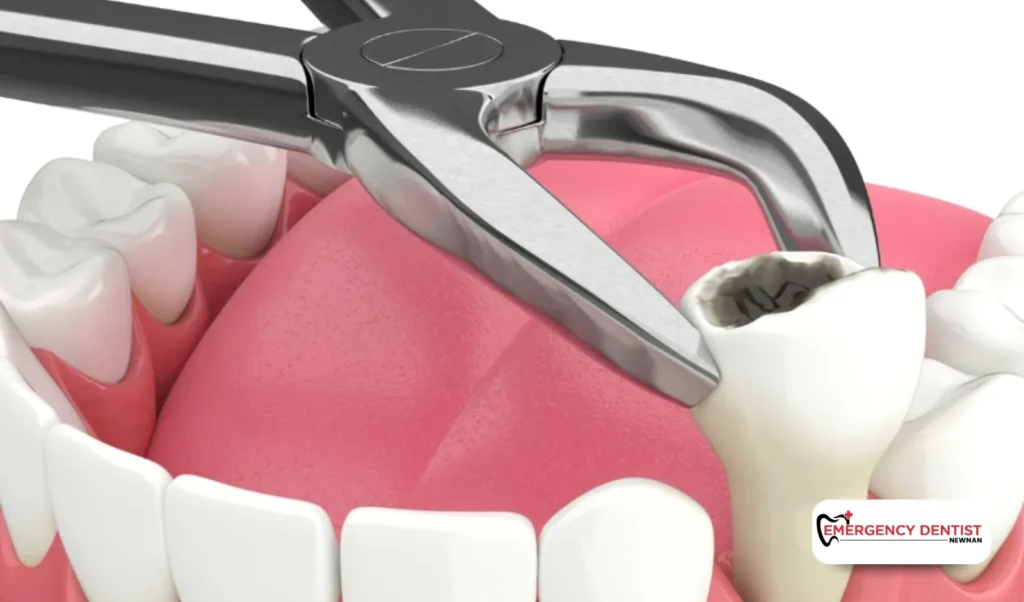
Delaying treatment for an infected pulp can result in:
- Severe swelling and tooth pain
- Bone damage near the tooth’s root
- Abscess formation
- The need to have the tooth extracted
An untreated infection not only threatens your oral health but can also impact your overall well-being. Early endodontic treatment can prevent these serious problems.
Aftercare Tips for Root Canal Recovery
To get the best results from your root canal therapy, follow these tips during recovery:
- Follow your dentist’s post-care instructions exactly.
- Take prescribed or over-the-counter medications as recommended.
- Avoid chewing on the treated tooth until the dental crown is fully placed.
- Schedule regular dental checkups to ensure proper healing.
- Maintain good oral hygiene, brush and floss daily to prevent reinfection.
For most people, healing is smoother and easier than they expect.
When to Contact an Emergency Dentist in Newnan, GA
You should seek urgent care if you have:
- Severe or worsening tooth pain that does not improve with over-the-counter pain relievers, as this may indicate a spreading infection.
- Significant swelling in the gums or face, which could be a sign that the infection has moved beyond the tooth and into surrounding tissues.
- Fever or other signs of infection, such as chills, fatigue, or a general feeling of being unwell, since these can indicate that bacteria have entered the bloodstream.
- A loose or damaged dental crown that leaves the treated tooth exposed, increasing the risk of reinfection and potential complications.
Ignoring these symptoms can cause the problem to escalate quickly, leading to more invasive dental procedures, prolonged discomfort, and even the loss of your treated tooth. Prompt evaluation and treatment from a skilled Emergency Dentist in Newnan can help protect your oral health and keep your root canal recovery on track.
Conclusion
A root canal may seem intimidating, but it’s a safe and effective dental procedure that can save your natural tooth. Understanding how long a root canal takes, how long it takes to do a root canal, and how long does a root canal take to heal will help you feel prepared for the process.
From the initial local anesthetic to the final dental crown, root canal therapy is designed to remove the infected pulp, restore comfort, and preserve your treated tooth. If you suspect you have an infected pulp or are experiencing persistent tooth pain, don’t delay, contact an Emergency Dentist in Newnan, GA. Acting quickly can be the difference between saving your tooth and having it extracted.