

How Much Are Dental X-Rays? Cost Guide, Safety & Types
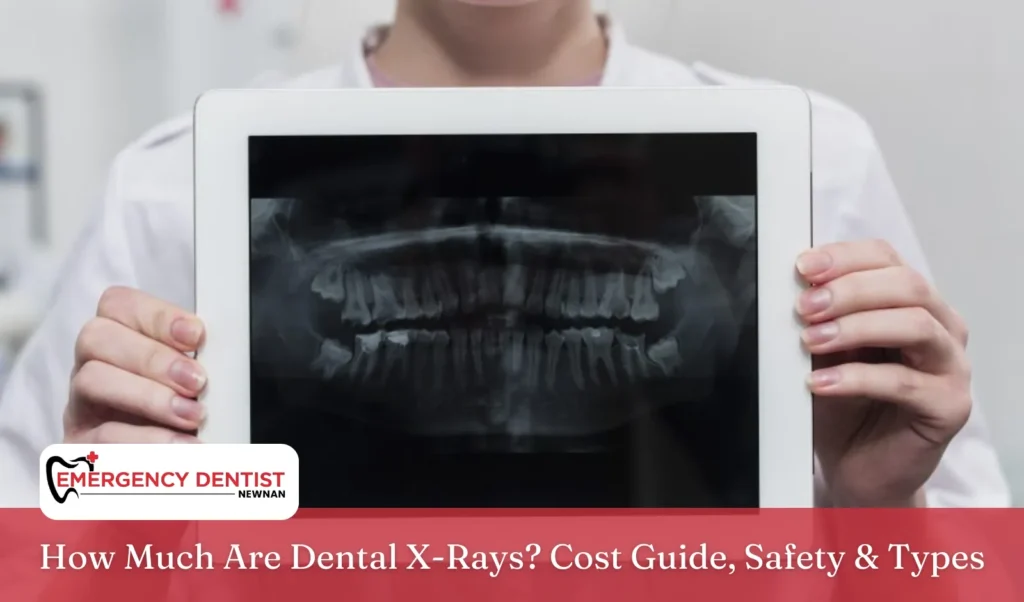
Good dental care means more than just brushing and routine cleanings. Some dental problems can begin beneath the surface of the teeth and gums, hidden from the naked eye. This is where dental imaging becomes essential. Dental X-rays provide dentists with a clear view of your teeth, roots, and jawbone, helping them uncover issues and build accurate treatment plans. Whether you’re attending a regular dental exam or seeking urgent help from an Emergency Dentist in Newnan, GA, X-rays are a vital part of protecting your oral health.
What Are Dental X-rays?
Dental X-rays are specialized images that capture the internal structures of your mouth. While a dentist can visually check your teeth and gums during a normal exam, X-rays allow for a deeper look inside. They can reveal tooth decay between teeth, infections at the root, impacted wisdom teeth, or early signs of bone loss. Without imaging, many dental problems would remain hidden until they cause severe pain or require advanced dental procedures such as root canals or extractions.
How Much Are Dental X-rays?
Patients often ask: how much are dental X-rays, how much does a dental X-ray cost, or how much is a dental X-ray? The truth is, dental X-ray cost depends on several factors, such as the type of X-ray taken, the technology used, and the dental office performing the procedure.
For example:
- Intraoral X-rays like bitewing X-rays or periapical X-rays are usually part of routine dental exams.
- Extraoral X-rays such as panoramic X-rays are commonly used to evaluate wisdom teeth, orthodontic treatment, or other hidden dental problems.
- More advanced imaging like CT scanning or 3D image technology may be recommended for dental implants, orthodontics, or diagnosing complex infections in the teeth and gums.
While many people search “how much do dental X-rays cost,” the focus should be on their value. Imaging ensures a precise treatment plan, prevents small problems from escalating, and reduces the risk of needing expensive dental procedures later.
How Often Dental X-rays Should Be Taken
Another frequent question is: how often dental X-rays should be taken? The answer depends on your age, health of your teeth and gums, and dental history.
- Children may need them more often since their mouths are still developing.
- Adults with gum disease, recurring cavities, or other dental problems may also require more frequent imaging.
- Adults with generally healthy teeth and gums may not need X-rays as often.
Your dentist will suggest the right schedule for you. Regardless, X-rays remain an essential part of preventive dental care, catching problems early before they become serious.
Types of Dental X-rays
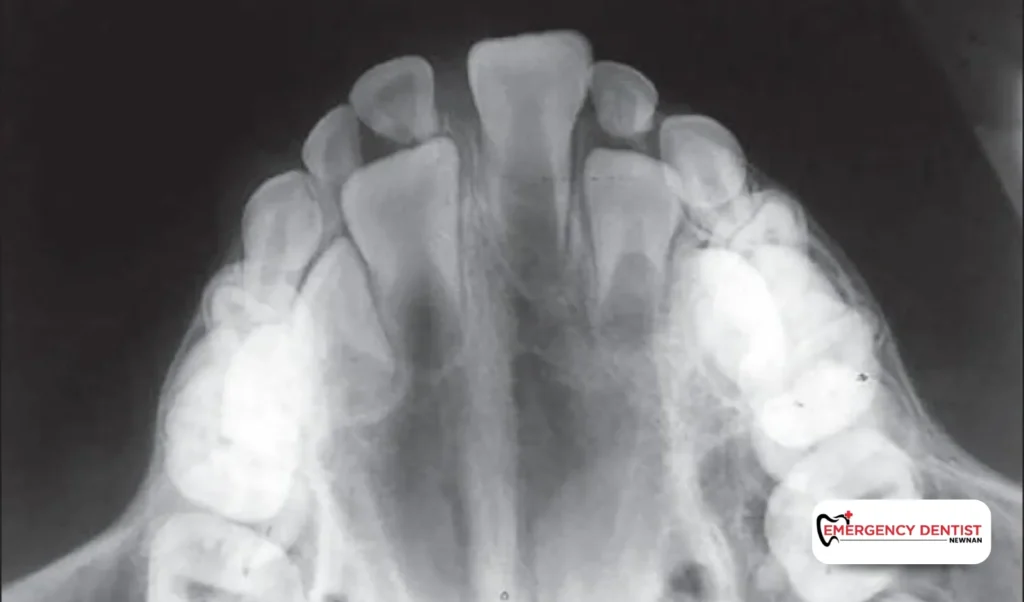
Dental X-rays come in different forms, each serving a unique purpose in diagnosis and treatment. From routine checks to advanced planning, here are the main types of dental X-rays dentists use to protect your teeth and gums.
Intraoral X-Rays (Inside the Mouth):
- Bitewing X-rays: Focus on crowns and bone levels. Perfect for spotting cavities and monitoring bone loss in the teeth and gums.
- Periapical X-rays: Show the entire tooth from crown to root. Useful for diagnosing cysts, abscesses, or when planning root canals.
- Occlusal X-rays: Provide larger images of the jaw and palate, often used in children or when investigating unusual growths.
Extraoral X-Rays (Outside the Mouth):
- Panoramic X-rays: Offer a complete view of the jaws, teeth, and sinuses. Often used for orthodontic treatment, wisdom tooth removal, or to spot hidden issues.
- Cephalometric X-rays: Help orthodontists study bite alignment and jaw structure.
- CT scanning & 3D image technology: Deliver highly detailed images, ideal for dental implants, reconstructive procedures, or advanced root canals.
Why Different Types of Dental Imaging Matter
Each type of X-ray serves a unique purpose. For instance, bitewing X-rays are excellent for detecting cavities, while panoramic X-rays are necessary before orthodontic treatment. Advanced imaging like CT scanning or a 3D image ensures dentists have the clearest picture possible when evaluating your teeth and gums. Choosing the right X-ray helps create an accurate, effective, and safe treatment plan.
Safety of Dental X-rays
Some patients worry about radiation exposure. The good news is that dental X-rays are safe thanks to modern digital technology. These machines use very low levels of radiation. To further protect patients, dentists provide lead aprons and thyroid collars during imaging.
The benefits of detecting hidden dental problems in the teeth and gums far outweigh the minimal risks. With today’s technology, the process is faster, safer, and more comfortable than ever.
Dental X-rays in Treatment Planning
X-rays are essential tools for building effective treatment plans. They allow dentists to:
- Spot cavities between teeth before they worsen.
- Identify infections that require root canals.
- Assess bone structure and density for implants.
- Confirm if wisdom teeth should be removed.
- Map out bite and jaw alignment for orthodontic treatment.
Without dental imaging, dentists would rely only on what the naked eye can see, leaving many teeth and gums issues undetected until advanced care is needed.
Dental Imaging vs. The Naked Eye
Even the most experienced dentist cannot see everything with the naked eye. Problems like small cavities, early bone loss, or root infections often remain invisible during a visual exam. Dental imaging exposes these issues, allowing dentists to act early. This proactive approach protects the teeth and gums, helping prevent minor issues from developing into major dental procedures.
Emergency Dentist in Newnan, GA

Not all X-rays are planned during routine visits. Sometimes they are needed urgently. If you suffer from sudden swelling, severe pain, or a fractured tooth, an Emergency Dentist in Newnan may order immediate imaging. Quick access to bitewing X-rays, periapical X-rays, or panoramic X-rays helps identify the dental problem quickly and provide same-day treatment. In emergencies, X-rays can make the difference between saving a tooth and losing it.
Conclusion
Dental X-rays are a cornerstone of modern dentistry, giving dentists the ability to see beyond what the naked eye can detect. Whether you’re preparing for orthodontic treatment, addressing a dental problem, or seeking urgent care from an Emergency Dentist in Newnan, GA, imaging ensures your care is safe and effective.
While many patients ask how much are dental X-rays, how much does a dental X-ray cost, how much is a dental X-ray, or how much do dental X-rays cost, the emphasis should remain on their value. From intraoral X-rays like bitewings to extraoral X-rays like panoramic scans, and advanced options such as 3D image and CT scanning, these tools allow dental offices to provide safe, proactive, and precise dental care for healthier teeth and gums.
Frequently Asked Questions
How much are dental X-rays?
The cost depends on the type of X-ray, the technology, and the dental office. Their true value lies in detecting hidden problems in your teeth and gums early.
Are dental X-rays safe?
Yes. Modern dental X-rays are safe. Dentists use lead aprons and low-radiation technology to protect your teeth and gums during imaging.
Why can’t dental problems be seen with the naked eye alone?
Issues like cavities between teeth, early bone loss, and root infections can’t be spotted visually. Dental imaging makes them visible for better planning.
How do dental X-rays help with treatment planning?
They provide dentists with crucial details for root canals, orthodontic treatment, implants, and other dental procedures, ensuring your teeth and gums get the best care.
How often dental X-rays should be taken?
Frequency depends on your age, risk level, and oral health history. Children and patients with recurring dental problems may need them more often, while healthy adults may require them less frequently.