

How to Relieve Pain When Gums Hurt After Tooth Extraction
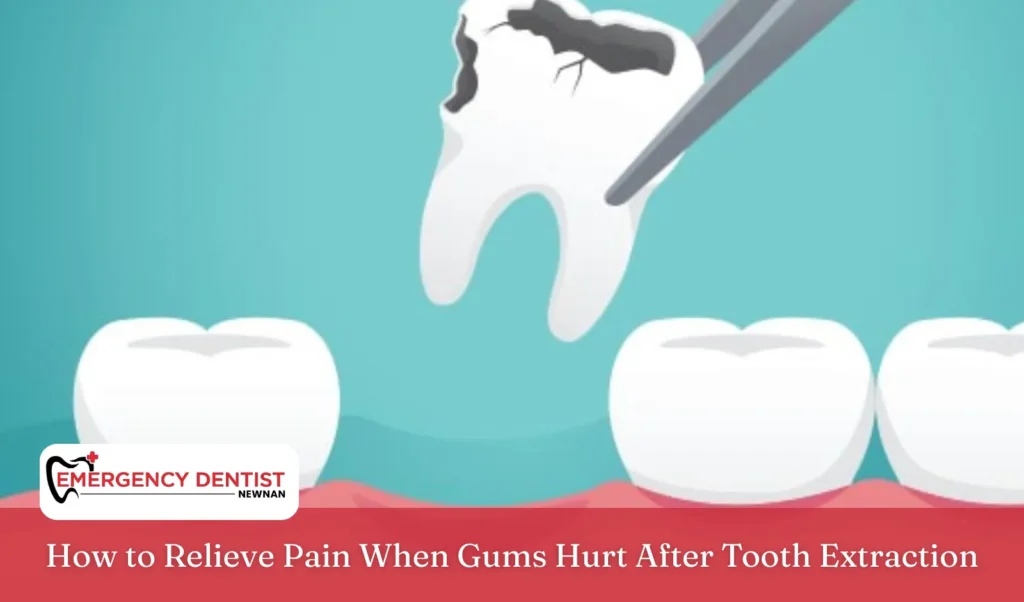
When a tooth is removed, many people wonder why their gums hurt after tooth extraction. For most, mild soreness is part of the body’s natural healing process, but if discomfort lingers or grows worse, it could point to a complication. By knowing what’s normal and when to take action, you can protect your oral health and recover more comfortably.
How the Healing Process Works
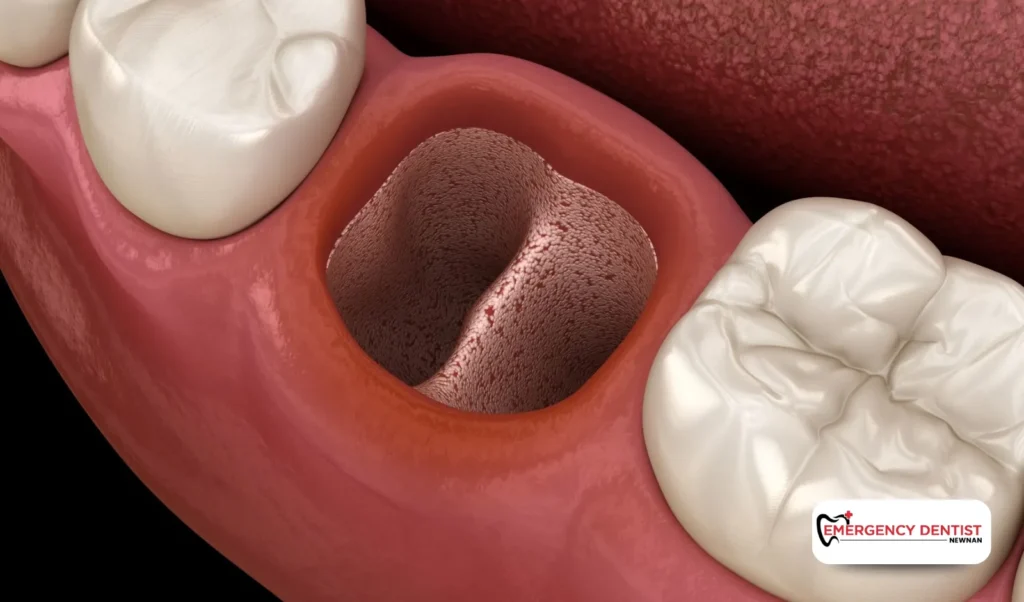
Right after extraction, your body begins repairing the wound. A blood clot forms in the extraction site, sealing the empty tooth socket and covering sensitive bone and nerves. This clot is vital for tooth extraction healing, since it provides a base for new tissue growth.
- First 24 hours: Some bleeding, gum tenderness, and pain and swelling are normal. Be careful not to disturb the clot.
- At 48 hours: Discomfort and swollen gums usually peak. Placing an ice pack on your cheek can ease swelling.
- Several days after surgery: Discomfort should fade, though sensitivity may last longer if a wisdom tooth was extracted.
If your gum hurts after tooth extraction beyond a week or pain becomes stronger instead of easing, it’s best to consult a dentist.
Normal vs. Concerning Gum Pain

Tenderness in the extraction area and surrounding gum tissue is common after a tooth removal. You may feel sensitivity while chewing or when exposed to hot and cold.
But if gum hurts after tooth extraction and doesn’t improve after the first few days after surgery, or if you notice ongoing foul tastes in your mouth or increasing swelling, the healing process may not be going as expected.
Possible Complications to Watch For
Although most patients recover without issues, certain complications can disrupt healing:
- Dry socket: If the blood clot dissolves or becomes dislodged too early, the empty tooth socket is left exposed. This leads to severe pain, often radiating to the ear or jaw.
- Signs of infection: Symptoms like persistent pain and swelling, pus, fever, or redness in the extraction site may indicate infection in the surrounding tissues.
- Bad breath or foul tastes: Lingering bad breath or unpleasant tastes in your mouth often suggest bacteria or trapped food around the wound.
If these problems appear, contact an Emergency Dentist in Newnan immediately to prevent the condition from getting worse.
Caring for Gums After Tooth Extraction
To manage soreness and protect your mouth during healing, dentists recommend:
- Use an ice pack: Hold it to your cheek for 15 minutes at a time during the first 24 hours to ease swelling.
- Rinse with salt water: Starting the next day, gently rinse with warm salt water two or three times daily. This cleans the extraction site while protecting the clot.
- Brush your teeth carefully: Keep brushing, but avoid the extraction area for the first few days. Be gentle to avoid irritation.
- Maintain oral hygiene: Practicing good oral hygiene keeps bacteria under control and helps the gums after tooth extraction heal faster.
These steps help prevent complications and protect the surrounding gum tissue as your mouth recovers.
Side Effects You May Notice

During the days after surgery, you may experience:
- Tastes in your mouth: Metallic or bitter flavors caused by blood or healing tissue.
- Bad breath: Temporary in most cases, though if it continues, it may suggest infection.
- Swollen gums: A common response to healing, but worsening swelling after 48 hours should be checked by a dentist.
These side effects usually improve as the healing process continues, especially if you follow aftercare guidelines.
When to Call an Emergency Dentist in Newnan
If your gum hurts after tooth extraction for more than a week, or you notice signs of infection such as fever, pus, or worsening pain and swelling, don’t delay. An Emergency Dentist in Newnan can evaluate the extraction site, provide treatment, and protect your oral health. Prompt care ensures that the extraction area and surrounding tissues heal properly.
Tips for a Smooth Recovery
To support healing and reduce soreness:
- Stick with soft foods during the first few days after surgery.
- Avoid straws and smoking, which can disturb the blood clot and lead to dry socket.
- Rest and allow your body to focus on healing.
- Pay attention to unusual changes like worsening pain or a persistent taste in your mouth.
These habits encourage better tooth extraction healing and protect the gums after tooth extraction.
Conclusion
It’s normal when gum hurts after tooth extraction, particularly in the first 24 to 48 hours. Some tenderness, mild bleeding, swollen gums, or a strange taste in your mouth are all part of recovery.
Still, complications like dry socket, signs of infection, foul tastes, or bad breath should not be ignored. By rinsing with salt water, using an ice pack, practicing good oral hygiene, and knowing how to gently brush your teeth, you can ease discomfort and promote healing of the surrounding gum tissue.
If your gum pain persists or worsens, reaching out to an Emergency Dentist in Newnan ensures proper treatment, peace of mind, and a healthier recovery.
Frequently Asked Questions
Why do gums hurt after tooth extraction?
It’s normal if gums hurt after tooth extraction because the extraction site is healing. Tenderness and swollen gums usually improve within a few days.
How long should gum pain last after a tooth is removed?
Most soreness fades within 24 to 48 hours, but healing takes longer with wisdom teeth. If pain continues beyond a week, contact your dentist.
What are signs of infection after extraction?
Watch for severe pain and swelling, pus, fever, or a foul taste in your mouth. These signs of infection need urgent dental attention.