

Signs of Dry Socket After Tooth Extraction and Its Causes
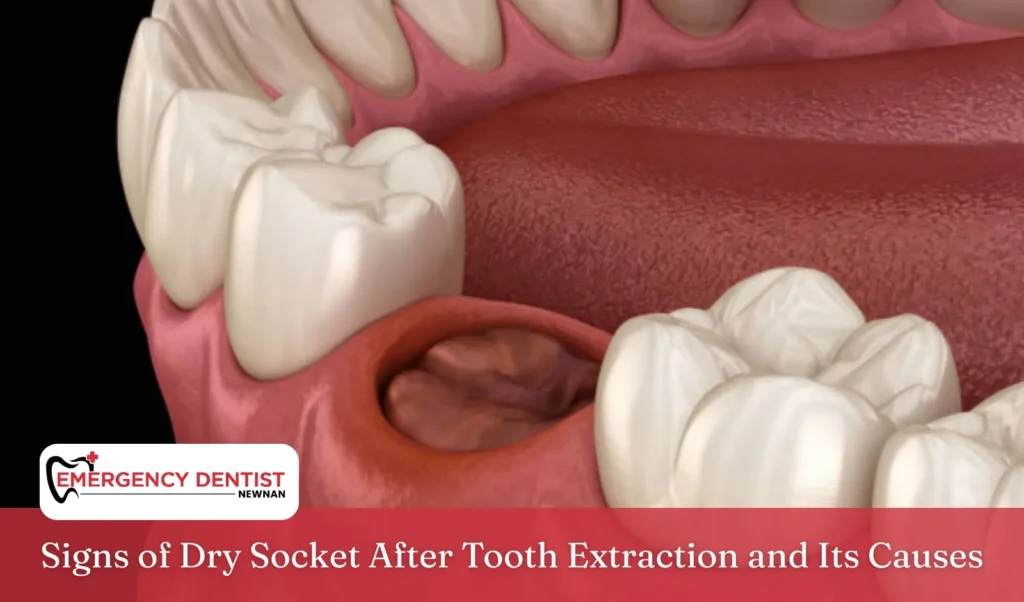
After a tooth is removed, the body begins the healing process almost immediately. But with tooth extractions, healing doesn’t always go as planned. One of the most common and painful conditions patients face afterward is dry socket, also known as alveolar osteitis.
If you’ve ever wondered what causes dry socket after tooth extraction or how to recognize the warning signs, this guide explains it all. You’ll learn the symptoms of a dry socket after a tooth extraction, risk factors that increase the chance of developing it, how to prevent dry socket, and what an Emergency Dentist in Newnan can do to treat dry socket effectively.
What Is a Dry Socket?
Normally, after a tooth removal, a blood clot forms in the extraction site. This clot is essential, it protects the bone and nerve and allows gum tissue to grow and eventually close the space.
When the clot dissolves too early, is disturbed, or fails to form, the result is a dry socket. Without the clot, sensitive bone and nerves are left exposed, leading to swelling, bad breath, and intense pain that can radiate through the face. Recovery slows dramatically, making dry socket a serious and painful condition that requires professional care.
What Causes Dry Socket After a Tooth Extraction?

The main issue behind dry socket is the loss of the protective blood clot, but several risk factors increase the likelihood:
- Smoking or tobacco use – Nicotine lowers blood flow, making it harder to heal.
- Birth control pills – Estrogen levels can interfere with clot stability.
- Poor oral hygiene – Not keeping the area clean raises infection risks.
- Mechanical disturbance – Using a straw, spitting forcefully, or rinsing too hard can dislodge the clot.
- Surgical trauma – Complex tooth extractions sometimes prevent proper clotting.
These causes of dry socket include lifestyle habits, medical factors, and procedural complications that interfere with recovery.
Signs and Symptoms of a Dry Socket After Tooth Extraction
Most patients recover without problems, but dry sockets may appear a few days after the tooth removal, sometimes within the first 24 hours. Knowing the signs of dry socket after tooth extraction can help you act quickly.
The most common symptoms of dry socket after a tooth extraction are:
- Severe, throbbing, intense pain that spreads to the ear, eye, or jaw.
- Exposed bone that can be seen at the extraction site.
- A strong unpleasant taste or persistent bad breath.
- Swelling, redness, and tenderness in the area.
These symptoms of dry socket usually show up two to four days post-surgery. Unlike normal discomfort, this pain doesn’t get better with time, it worsens until treated.
How a Dry Socket Affects the Healing Process
When the clot is missing, the healing process is delayed. Gum tissue can’t grow over the exposed bone, leaving the socket open to infection and ongoing discomfort. This makes recovery much longer and more complicated.
That’s why it’s important to see a dentist or oral surgeon as soon as you notice signs of dry socket. With the right treatment, they can relieve pain, treat dry socket, and promote healing so the area can close properly.
How to Prevent Dry Socket
It’s always better to prevent dry socket than to deal with it later. Following your dentist’s aftercare instructions closely can lower your risk of developing dry socket. Important steps include:
- Avoid smoking or vaping while you heal.
- Do not use straws or suck on hard candies.
- Stick to soft foods for the first few days after the tooth is removed.
- Rinse gently with warm salt water after meals to keep the area clean.
- Rest and give your body the time it needs to recover.
These habits reduce risk factors and help your body naturally promote healing.
How Dentists Treat Dry Socket
If a dry socket develops, professional care is required. To treat dry socket, a dentist may:
- Clean the extraction site to remove debris.
- Apply a medicated dressing that soothes pain and protects the exposed bone.
- Prescribe medications or suggest safe over-the-counter pain relievers.
- Provide follow-up instructions to support the healing process.
These steps reduce discomfort quickly and ensure the socket can retain proper healing.
When to See an Emergency Dentist in Newnan

Clear symptoms of dry socket include severe, intense pain, visible exposed bone, or a lasting unpleasant taste in your mouth. If you notice these warning signs, visit an Emergency Dentist in Newnan right away. They can examine the socket, provide treatment, and guide your recovery.
Acting quickly reduces the risk of developing dry socket complications and ensures your healing process stays on track.
Conclusion
A dry socket is a painful condition that happens when the protective clot is lost after a tooth extraction. Without it, the bone and nerve are exposed, leading to intense pain, swelling, bad breath, and slow healing.
Recognizing the symptoms of a dry socket after a tooth extraction, such as constant pain, unpleasant taste, or exposed bone, helps you seek treatment quickly. Avoiding smoking, rinsing with salt water, and eating soft foods can prevent dry socket and reduce your risk.
If symptoms appear, an Emergency Dentist in Newnan can provide fast relief, treat dry socket, and promote healing. With the right care, you can retain good oral health and recover with confidence.