

Hole After Tooth Extraction: Healing Guide for Patients
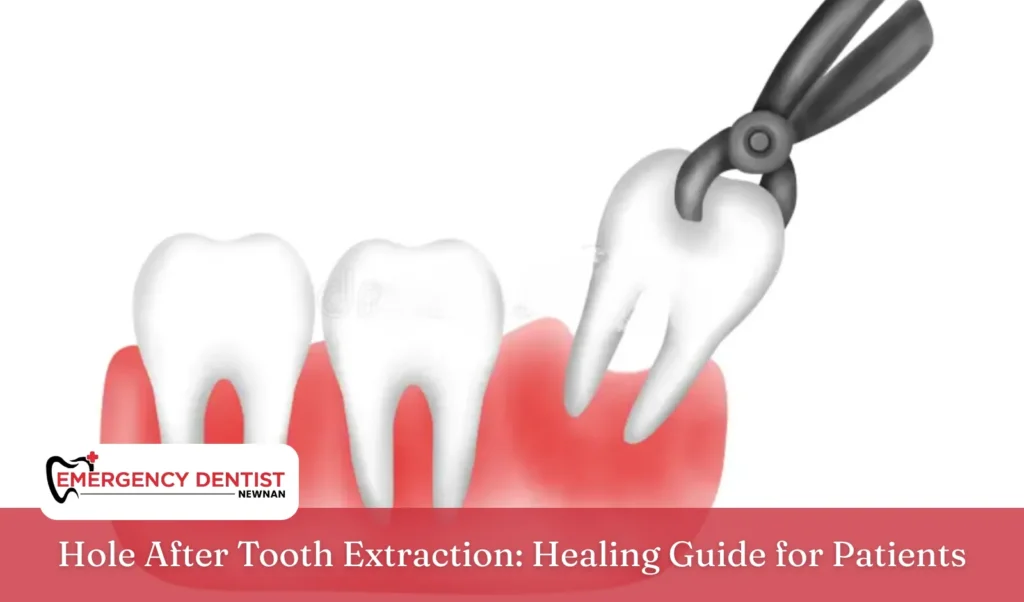
Having a tooth removed is a common dental procedure, but one of the most common concerns afterward is the tooth extraction hole. This space, sometimes called the extraction site or empty socket, is a normal part of the body’s healing process. Still, many people wonder how long the hole will last, if it can get infected, and what steps are necessary for proper care.
Why Holes After Tooth Extraction Form
When a dentist removes a tooth, the tooth socket is left open. Gum tissues and bone immediately start repairing themselves. The hole after tooth extraction may look especially large if multiple teeth or wisdom teeth are removed, but over time gum tissues cover the site and the underlying bone strengthens.
Though it may seem worrying, holes after tooth extraction are a completely normal part of oral recovery.
The Healing Process of the Extraction Site

Within minutes of removal, a blood clot forms in the socket. This clot is essential, it shields nerves and bone while supporting gum tissue repair. If it remains in place, healing generally goes smoothly.
For a simple extraction, where the dentist loosens and pulls the tooth without cutting into the gum, the socket is smaller and heals faster. In contrast, surgical extractions, such as impacted wisdom tooth removal, leave behind larger openings that take longer to close.c
What Can Slow the Healing Process
The most frequent risk during recovery is dislodging the blood clot. If the clot is lost, the socket is exposed, increasing the chances of dry sockets or infection, both of which are painful. Sucking through straws, rinsing too aggressively, or spitting forcefully are common causes of clot loss.
Another issue is food particles getting stuck in the hole after tooth extraction. This can irritate tissues and allow bacteria to grow. Dentists usually recommend gentle rinsing with warm salt water starting about 24 hours after surgery.
Avoiding smoking is also crucial. Smoking limits blood flow, weakens the immune system, and slows down the healing process, making complications more likely.
If you notice a foul smell or ongoing bad breath, it may be a sign that bacteria or debris are trapped in the extraction site.
Signs of Infection to Watch For
Some swelling and discomfort are expected after tooth removal, but certain symptoms can signal a sign of infection. These include swelling that worsens instead of improves, pus around the socket, fever, or severe throbbing pain.
If you notice any of these warning signs, it’s important to contact your dentist right away. For urgent needs, an Emergency Dentist in Newnan can provide immediate care and prevent the infection from spreading to surrounding tissues and bone.
Practical Care Tips for Recovery

Supporting the tooth extraction hole during healing is easier with proper aftercare:
- Brushing your teeth: Continue brushing but use a soft-bristled toothbrush and be gentle near the socket.
- Ice packs: Apply ice packs for 10-15 minutes at a time to reduce swelling and provide comfort.
- Soft foods: Choose mashed potatoes, yogurt, smoothies, or soups for the first few days. Avoid crunchy or hard foods.
- Gentle rinses: After the first day, rinse with warm salt water to keep the area clean and prevent food particles from getting stuck.
These steps protect the tooth socket and help the healing process go smoothly.
Wisdom Teeth and Larger Extraction Holes
When wisdom teeth are removed, the holes after tooth extraction are often larger and take longer to close. Because these are typically surgical extractions, the sockets stay open longer and are more likely to collect debris.
These larger sockets require extra attention. Following your dentist’s instructions, practicing good oral hygiene, and avoiding smoking are especially important to prevent infection.
If unusual bleeding, severe swelling, or persistent pain occurs, the situation may require professional treatment.
Conclusion
Although seeing a hole after tooth extraction may feel concerning, it is a natural part of the healing process. As long as the blood clot forms and remains in place, gum tissues and bone will gradually rebuild, closing the socket over time.
By protecting the extraction site, eating soft foods, applying ice packs, and avoiding smoking, you can support a smooth recovery. Keep watch for signs such as a foul smell, ongoing bad breath, or any sign of infection.
If pain or symptoms worsen instead of improve, make it a priority to contact your dentist. For urgent cases, an Emergency Dentist in Newnan can provide quick, effective treatment.
With proper care, patience, and professional support when needed, your tooth extraction hole will heal fully, ensuring long-term comfort and oral health.
Frequently Asked Questions
How long does a tooth extraction hole usually take to heal?
Most holes after tooth extraction close within 1-2 weeks, but deeper sockets from wisdom teeth removed may take several weeks to fully heal.
What increases the risk of dry sockets or infection?
Dislodging the blood clot, trapped food particles, smoking, or a weak immune system can all raise the chances of dry sockets or infection.
When should I contact your dentist about the extraction site?
If you notice a foul smell, constant bad breath, or another sign of infection, you should see an Emergency Dentist in Newnan.