Tooth Pain: Causes, Symptoms, and When to See a Dentist
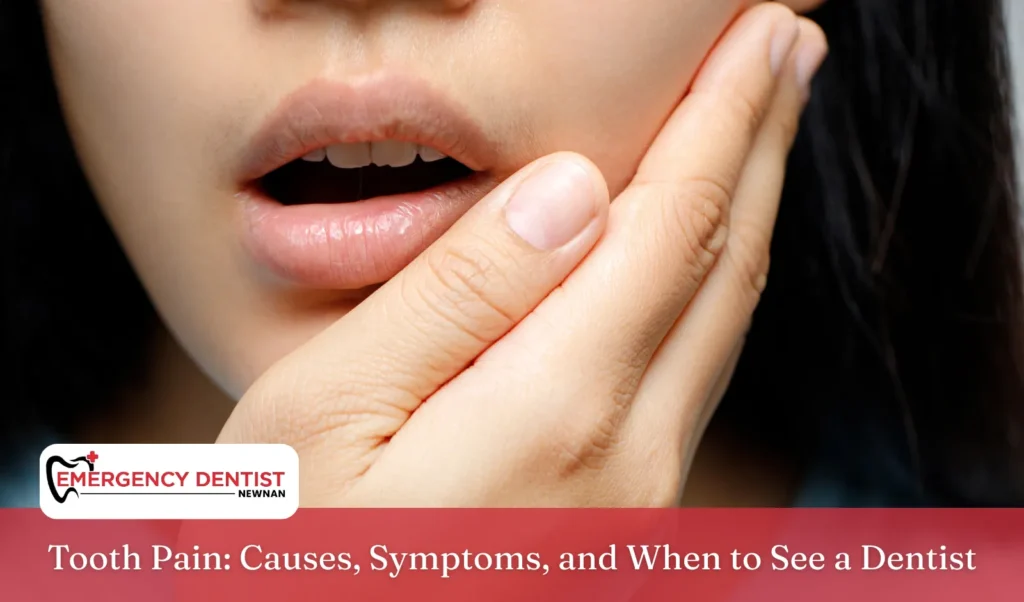
Tooth pain is a common issue that can affect anyone, ranging from a dull ache to intense pain that demands immediate attention. Whether it’s caused by tooth decay pain, tooth infection pain, or discomfort from gum disease and tooth pain, understanding tooth pain causes is the first step toward finding relief. Recognizing the causes of dental pain, noticing symptoms, and knowing when to seek dental treatment are all crucial for addressing the issue promptly.
Let’s explore the causes of tooth pain, tooth pain symptoms, and when it’s time to call your dentist.
What Causes Tooth Pain?
Tooth pain can arise from a range of issues, from poor oral hygiene to underlying health conditions. It often originates from problems affecting the soft tissue, nerves, or teeth and gums. Below are some of the most common tooth pain causes:
1. Tooth Decay Pain
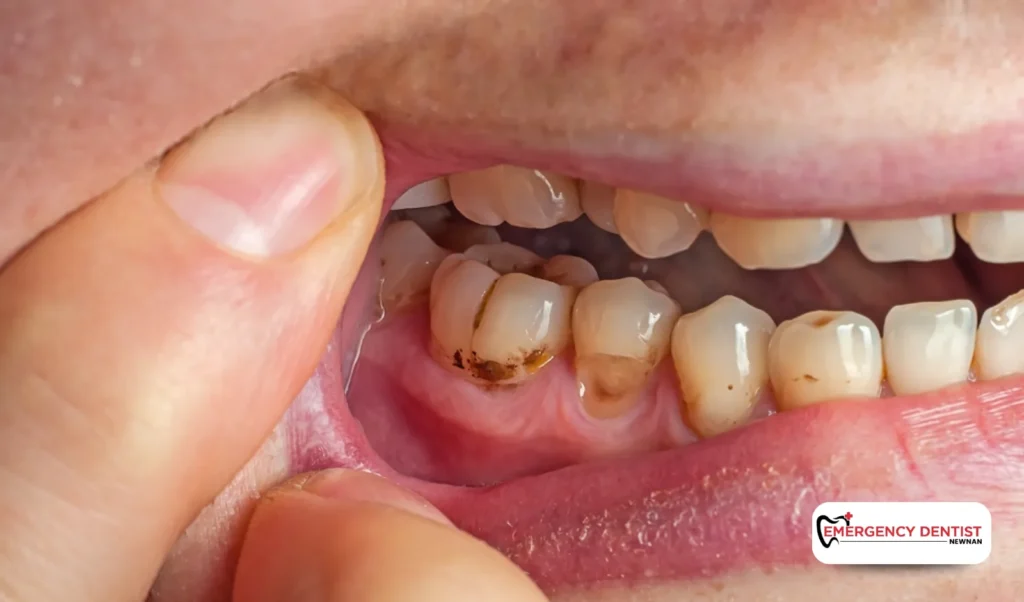
One of the leading causes of tooth pain is tooth decay pain. In the early stages, decay wears down the enamel, exposing the nerves and causing sensitivity. If left untreated, it leads to cavities, resulting in tooth cavity pain and an increased risk of bacterial infections or even a dental abscess.
Prevention tip: Use fluoride toothpaste and brush your teeth at least twice a day to protect your enamel from decay.
2. Hole in Tooth Pain
A visible hole in the tooth is a clear sign of advanced decay. You may experience sharp pain when chewing or tooth sensitivity when consuming hot or cold foods and drinks. This type of dental pain signals the need for dental treatment.
3. Tooth Infection Pain and Abscess Tooth Pain
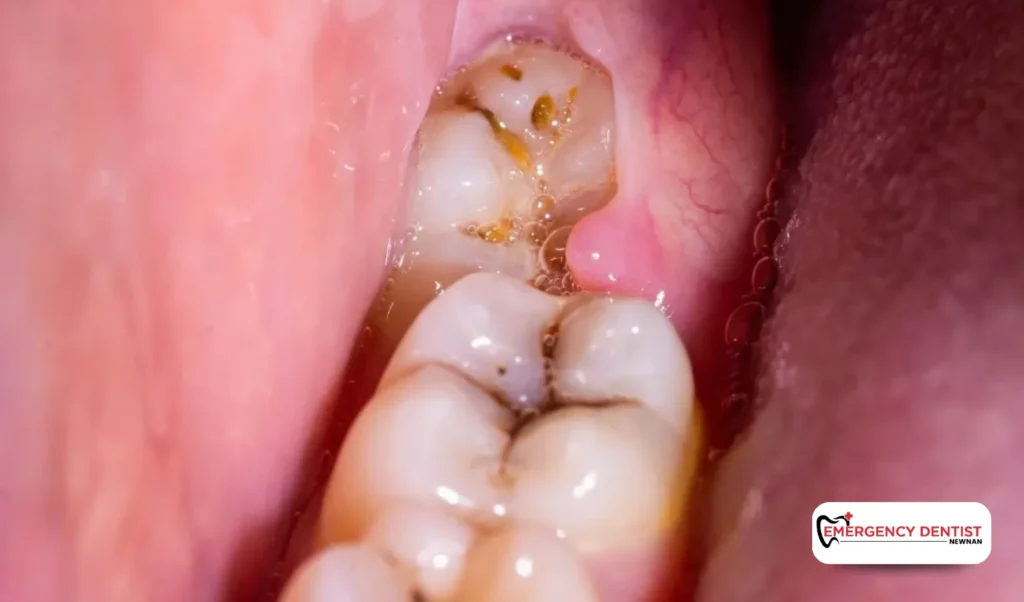
If tooth decay reaches deep enough to affect the pulp, it can lead to a tooth infection. This can cause severe tooth infection pain, facial swelling, and pus formation—a condition known as a dental abscess. Abscess tooth pain can be excruciating and, if left untreated, can compromise your immune system, and in rare cases, even become life-threatening.
Urgent tip: If you’re experiencing intense pain with swelling, fever, or a bad taste in your mouth, seek immediate dental treatment.
4. Gum Disease and Tooth Pain
Plaque buildup from poor brushing and flossing habits can irritate the gums, leading to gum disease and tooth pain. This can cause gum pain by tooth, gum swelling, bleeding, and tenderness. If untreated, it can result in tooth loss or loose tooth pain.
Healthy habit: Regular brushing and flossing will protect your teeth and gums, reducing the risk of gum disease.
5. Loose Tooth Pain
Experiencing loose tooth pain as an adult is abnormal and often caused by gum disease, trauma, or weakening of the tooth-supporting structures. This can result in pain when biting or chewing, along with swelling in the gum tissue around the affected tooth.
6. Cold and Tooth Pain
Cold and tooth pain occurs when consuming cold beverages. This can stem from enamel erosion, gum recession, or small cracks in the teeth, which expose sensitive nerves and cause discomfort.
Tip: Use fluoride toothpaste for tooth sensitivity and avoid acidic foods that can worsen enamel erosion.
7. Tooth Pain Symptoms to Watch
Recognizing early tooth pain symptoms can help prevent more serious issues in the future. Key signs include:
Persistent dull or sharp ache
Red, swollen gums or bleeding gums
Pain while brushing or flossing
Sensitivity to hot, cold, or sweet foods
A bad taste or bad breath in your mouth
A visible hole in your tooth
Swelling in your jaw or face
8. The Role of Dry Mouth in Tooth Pain
A dry mouth reduces the production of saliva, which helps wash away bacteria and food particles. This increases the risk of tooth decay pain, cavities, and bacterial infections. Dry mouth can be caused by medications, dehydration, or breathing through the mouth during sleep.
9. Home Remedies and When to Call Your Dentist
While home remedies like saltwater rinses or clove oil may provide temporary relief, they should not replace dental treatment. If the pain lasts for more than 48 hours, worsens, or is accompanied by swelling, fever, or a bad taste in your mouth, it’s crucial to consult a dental professional.
Final Thoughts
Toothaches are more than just a minor inconvenience, they are a warning signal. Whether it’s tooth decay pain, gum disease and tooth pain, or a developing dental abscess, early intervention can prevent long-term complications. Regular brushing, flossing, using fluoride toothpaste, and visiting your dentist regularly can help avoid most causes of tooth pain.
Unsure about your symptoms? Don’t wait too long, connect with a dental professional in Newnan, GA, and restore your smile with confidence!