
Wisdom Tooth Extraction Recovery: How Healing Progresses
Quick Answer
How long does wisdom tooth extraction recovery take?
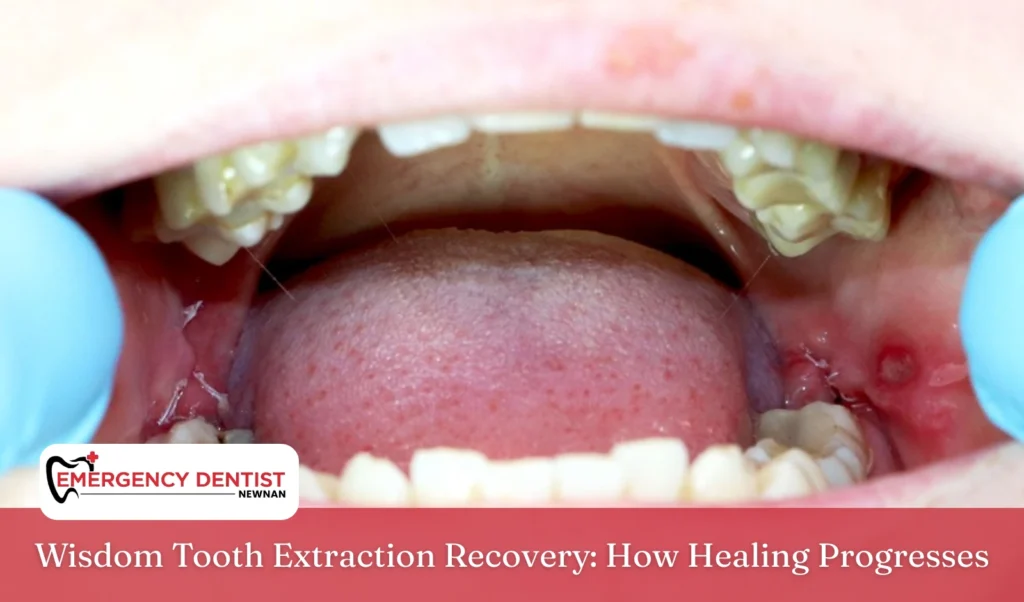
Most people notice improvement within the first few days. Full extracted wisdom tooth healing continues over several weeks as the mouth completes the healing process.
Key Takeaways
- Wisdom tooth extraction recovery happens gradually, not overnight
- The first 24 hours are important for protecting the extraction site
- Soft foods help prevent irritation during healing
- Gentle oral hygiene protects sensitive gum tissue
- Worsening symptoms should be checked by a dentist or oral surgeon
Recovering from wisdom tooth removal can feel overwhelming, especially if this is your first experience with oral surgery. Many patients in Newnan worry about swelling, eating comfortably, daily activities, and whether healing is happening the way it should. These concerns are very common.
The good news is that recovery after wisdom tooth extraction usually follows a steady and predictable path. Understanding the recovery process for wisdom tooth extraction can help reduce anxiety and make it easier to care for your mouth as it heals.
This guide explains what to expect, how to support healing at home, and when it’s important to contact a dental professional.
Why Wisdom Teeth Are Often Removed
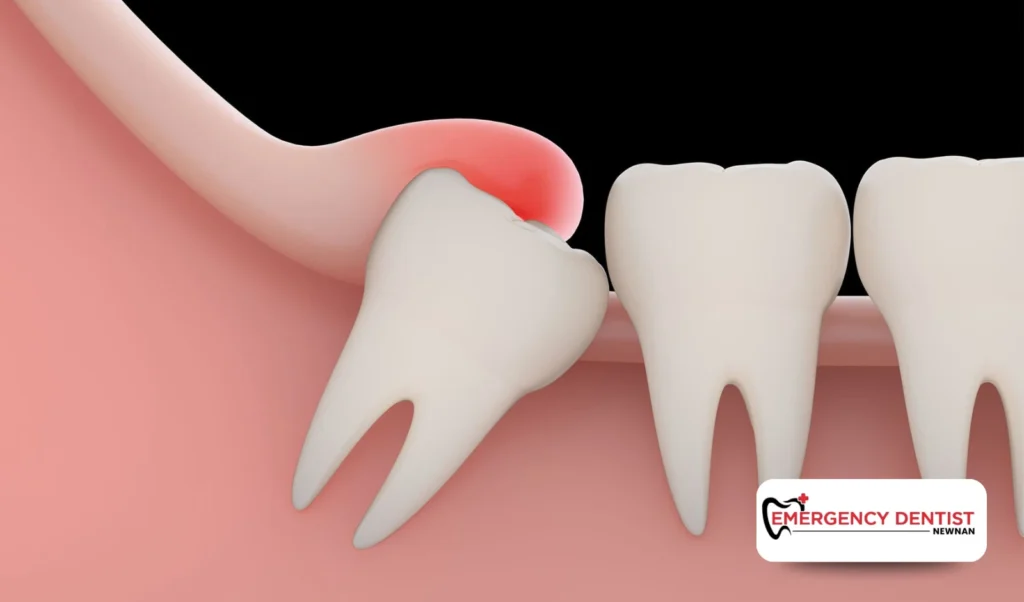
Dentists often recommend wisdom teeth extraction when there isn’t enough space for the teeth to grow properly. Impacted wisdom teeth may press against nearby teeth, irritate gum tissue, or trap food and bacteria below the gums.
Because wisdom teeth sit far back in the mouth, keeping them clean with normal oral hygiene can be difficult. Over time, this can increase the risk of infection or damage to nearby teeth.
Wisdom teeth removal helps protect surrounding teeth, supports long-term oral health, and lowers the chance of future problems at the surgical site.
How the Healing Process Begins
After wisdom tooth extraction, your body starts the healing process right away. A blood clot forms over the extraction site, acting as a natural bandage. This clot is essential for healing and helps protect the area underneath.
As healing continues:
- Swelling slowly decreases
- Gum tissue begins to close over the site
- The wisdom tooth removal healed area becomes stronger
Everyone heals at a different pace, but following post-surgery instructions helps support steady progress.
The First 24 Hours After Oral Surgery
The first 24 hours after oral surgery are especially important. Mild bleeding, swelling, and soreness are normal during this time. Rest allows your body to focus on healing.
Using an ice pack on the outside of your face may help reduce swelling during the first day. It’s also important to avoid touching the surgical site or rinsing forcefully.
Protecting the area during this stage lowers the risk of dry socket, a painful condition that can delay healing.
What Happens in the Days After Surgery
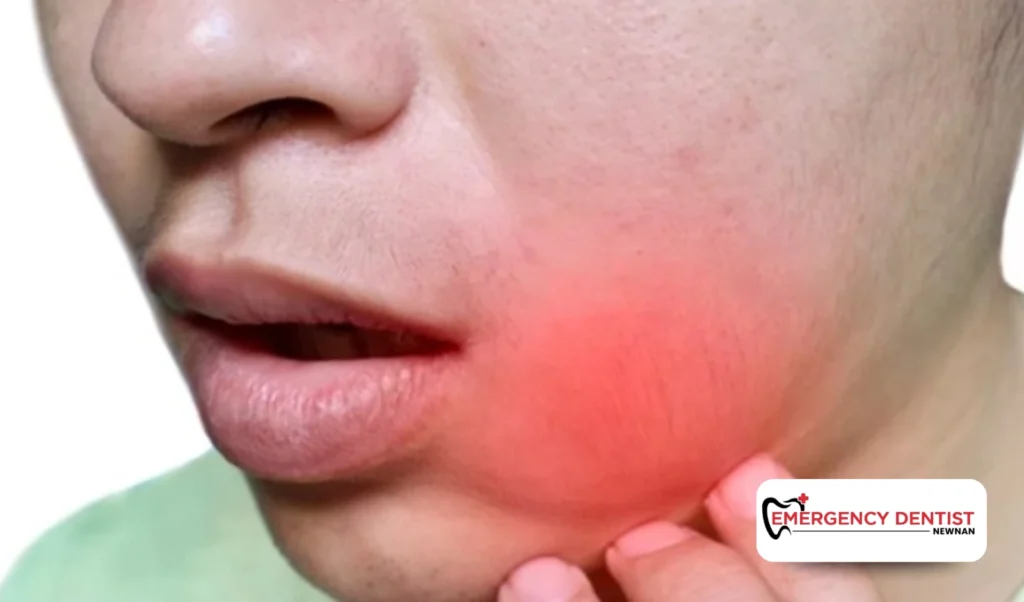
In the days after surgery, most patients begin to feel gradual improvement. Swelling and tenderness usually fade, though mild jaw stiffness is common.
This stage of wisdom tooth extraction recovery is when gentle habits matter most. Avoid heavy lifting or being overly physically active too soon. Too much movement can increase swelling and slow the healing process.
Light activity is usually fine, but it’s best to let your body guide your pace.
Common Symptoms During Recovery
During extracted wisdom tooth healing, you may notice:
- Swelling around the cheeks or jaw
- Mild soreness near the surgical site
- Sensitivity when opening your mouth
- Temporary changes in chewing comfort
These symptoms usually improve as the healing process continues. Slow, steady improvement is a good sign that recovery is on track.
Eating Safely While You Heal
Food choices play an important role in wisdom tooth extraction recovery. Soft foods are less likely to disturb the surgical site or irritate healing gum tissue.
Good options include:
- Mashed potatoes
- Yogurt
- Scrambled eggs
- Smooth soups
Avoid solid foods that are hard, crunchy, or chewy until your dentist or oral surgeon says it’s safe. Eating solid foods too early can disrupt the healing process.
Oral Hygiene After Wisdom Tooth Removal
Good oral hygiene is still important after oral surgery, but it must be gentle. Keeping your mouth clean helps prevent infection while protecting the surgical site.
Helpful tips include:
- Avoid brushing directly over the extraction site
- Rinse gently instead of forcefully
- Use warm salt water or gentle saltwater rinses
- Avoid vigorous swishing, especially early on
These steps help protect healing tissue and support recovery.
Managing Swelling and Discomfort
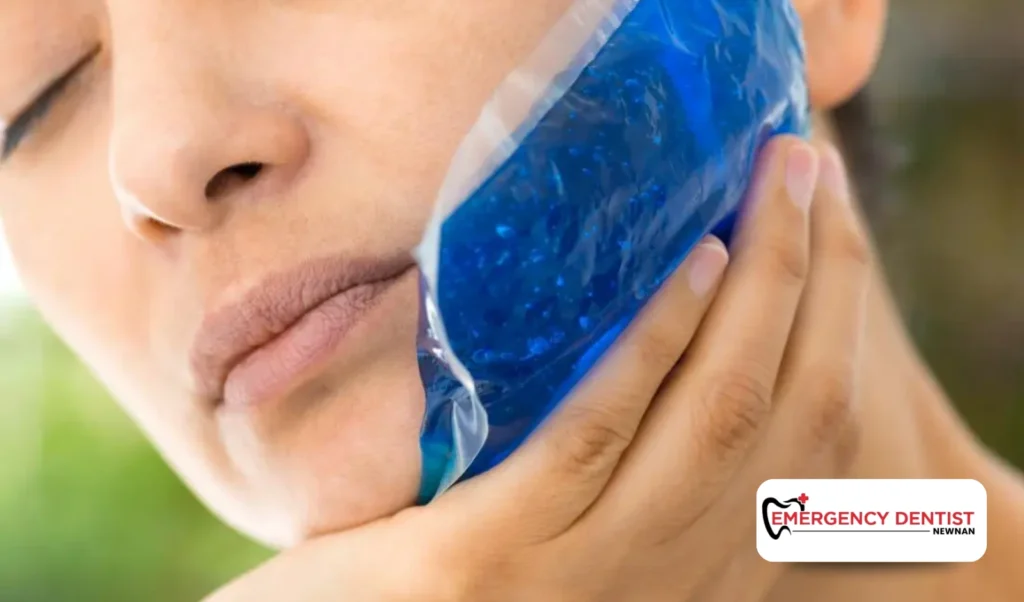
Swelling is a normal part of wisdom tooth extraction recovery. Using an ice pack during the first day may help reduce discomfort.
Your dentist or oral surgeon may recommend pain relief options to keep you comfortable. Always follow professional instructions and avoid changing medications or care routines on your own.
When to Call an Emergency Dentist in Newnan
Most recoveries move forward without problems, but it’s important to know when to seek help. Contact an Emergency Dentist in Newnan if you notice:
- Pain that gets worse instead of better
- Swelling that does not go down
- Bleeding that continues
- A bad taste or odor near the extraction site
Early care can prevent complications and protect the healing process.
Final Thoughts
Healing after wisdom tooth extraction takes patience and gentle care. While the first few days may feel uncomfortable, most people notice steady improvement as recovery continues.
By protecting the surgical site, choosing soft foods, and practicing careful oral hygiene, you give your mouth the best chance to heal well. Over time, the wisdom tooth removal healed area becomes comfortable and strong again.
Supportive Care When You Need It
If you have questions about wisdom tooth extraction recovery or feel unsure about your healing progress, professional guidance can help. At Emergency Dentist in Newnan, our team provides clear answers, reassurance, and timely care at every stage of recovery.
Schedule an appointment today to discuss your concerns and feel confident as your healing continues.
Frequently Asked Questions
Is swelling normal after wisdom teeth extraction?
Yes. Swelling is common and usually improves over time.
When can I eat solid foods again?
Solid foods are added gradually as comfort improves and healing continues.
How do I know healing is going well?
Less pain, reduced swelling, and better comfort are good signs of normal healing.