
How to Relieve Tooth Pain
at Home Without Stress
Quick Answer
What can I do for tooth pain at home?
You can try simple methods like a cold compress, a saltwater rinse, or gentle home remedies for toothaches such as peppermint tea bags. These options may offer temporary relief, but ongoing tooth pain should be checked by a dental professional.
Key Takeaways
- Simple steps may help provide short-term pain relief
- Keeping the affected tooth clean may reduce irritation
- Cold compresses may help reduce swelling
- Natural options may soothe discomfort
- Ongoing pain may require professional care
Tooth pain can start suddenly or develop over time. It may feel sharp, dull, or like constant pressure. Even mild discomfort can make daily tasks like eating or sleeping difficult.
Common causes include tooth decay, cracks, or gum disease. The affected tooth may become sensitive to hot or cold foods, and the surrounding gums may feel sore or swollen. When bacteria build up, they can lead to infection, which often causes the pain to worsen.
Learning how to relieve tooth pain at home can help you manage symptoms until you are able to visit a dentist.
Simple Ways to Care for Tooth Pain at Home
If you are wondering what steps to take, begin with gentle care. These home remedies for tooth pain may help you feel better for a short time but do not treat the root cause.
Start by keeping your mouth clean. Warm water can help rinse your mouth and remove food debris around the sore spot. Keeping the area clean may reduce irritation and limit bacteria buildup.
You can also use over-the-counter pain relievers to help manage discomfort. Always follow directions and avoid placing medication directly on your gums.
Home Remedies to Ease Tooth Pain
There are several home remedies to ease tooth pain that may help you feel more comfortable. While these methods do not fix the cause, they may provide short-term pain relief and make symptoms easier to handle.
Saltwater Rinse
A saltwater rinse is one of the simplest toothache remedies. Mix a teaspoon of salt into a glass of warm water and gently swish it around your mouth.
This method may help reduce plaque, clean the area, and provide mild antibacterial properties that help control bacteria.
Cold Compress
Applying a cold compress to your cheek may help numb the area and reduce swelling. Hold it in place for about 20 minutes at a time.
This may be helpful if your discomfort is caused by inflammation or injury.
Hydrogen Peroxide Rinse
A hydrogen peroxide rinse may help clean the mouth and reduce bacteria. Always dilute it with equal parts water and avoid swallowing.
This rinse may support gum health and provide mild pain relief.
Peppermint Tea Bags
Using peppermint tea bags is a soothing option among natural remedies. After steeping, allow the tea bag to cool slightly before placing it on the sore area.
This may help calm a painful tooth and provide a gentle cooling sensation.
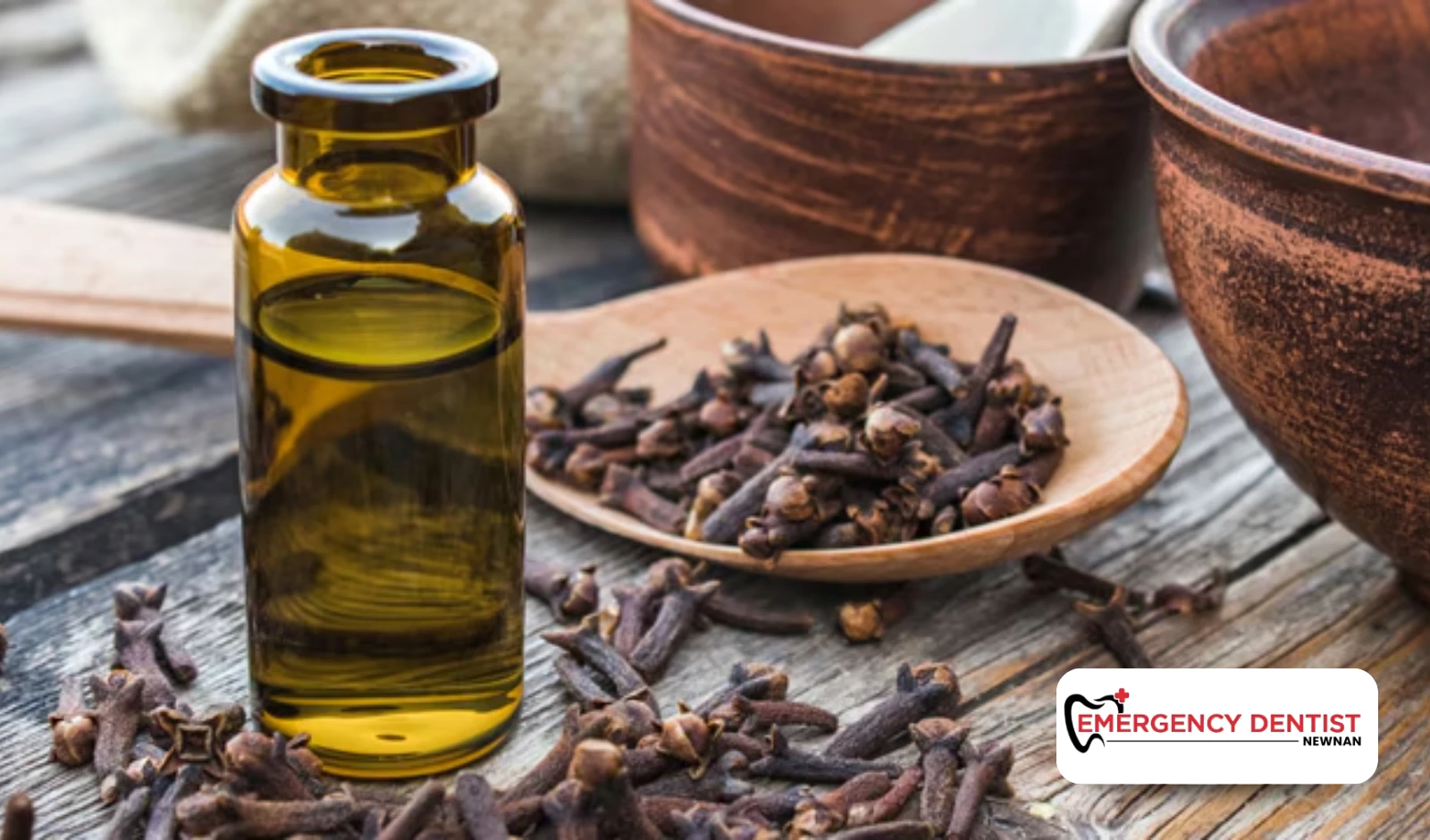
Clove Oil and Vanilla Extract
Both clove oil and vanilla extract are commonly used to ease dental discomfort. You can apply a small amount using a cotton ball and gently place it on the sore spot.
These options may help numb the area and provide short-term comfort.
When Tooth Pain May Be a Bigger Issue
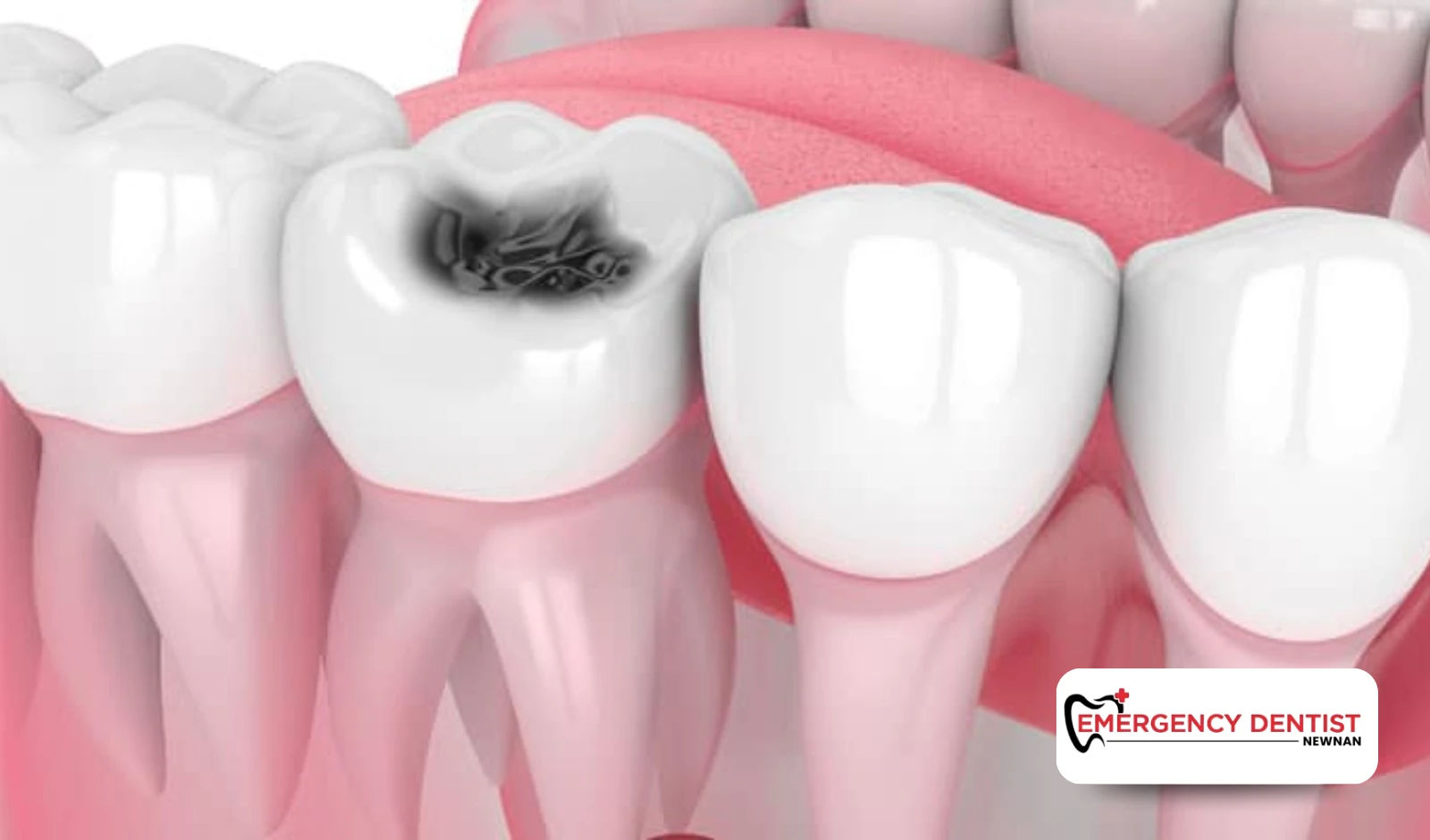
While these home remedies for tooth pain may help temporarily, they do not treat the underlying cause. Pain that lasts more than a couple of days may be a sign of a deeper problem.
An untreated issue can affect more than just the affected tooth. Infection or decay may spread and lead to more serious dental concerns.
Watch for warning signs such as swelling, fever, or a bad taste in your mouth. These symptoms may mean that professional care is needed.
When to Visit an Emergency Dentist
It is important to know when to seek help. If your discomfort does not improve or becomes more severe, you should contact a dental provider.
Emergency Dentist in Newnan provides care for patients experiencing sudden or severe dental pain. Early evaluation can help identify the cause and prevent the issue from getting worse.
Prompt treatment can help protect your oral health and reduce the risk of complications affecting nearby teeth.
Final Thoughts
Tooth pain can interrupt your day, but simple care at home may help you stay comfortable for a short time. From a cold compress to other toothache remedies, these options may support relief.
However, these methods only provide temporary relief. If your tooth pain continues or becomes worse, it is important not to ignore it. Early dental care can help prevent more serious problems and protect your long-term oral health.
Ignoring symptoms may allow the issue to worsen over time. Taking action early can make treatment easier and help preserve your smile. Taking care of your teeth early can also help maintain better overall oral health and prevent future discomfort.
Frequently Asked Questions
How many times a day should I rinse my mouth for tooth pain?
You can rinse your mouth a few times a day, but avoid overdoing it if it causes irritation.
Can clove oil be used safely for tooth pain?
Yes, when used in small amounts, it may help provide temporary relief for a sore tooth.
What should I do if the pain does not go away?
If discomfort continues or worsens, it is best to see a dental professional for proper care.