
Do Dentists Use Anesthesia for Root Canal Treatment?
Quick Answer
Do dentists put you to sleep for a root canal?
In most cases, no. Patients usually remain awake while the dentist uses local anesthesia to numb the tooth and nearby tissues. Sedation may be considered when someone has significant anxiety or difficulty getting through treatment comfortably, but sedation does not always mean being completely unconscious.
Key Takeaways
- Root canals are usually performed while patients are awake.
- Local numbing medicine helps limit discomfort in the treatment area.
- Sedation may be an option for patients with significant dental anxiety.
- The type of sedation offered depends on the patient and dental practice.
- Numbing and sedation have different purposes during treatment.
- Discussing comfort concerns beforehand can help you understand your options.
Hearing that you need a root canal can bring up several questions. You may wonder how the tooth will feel during treatment, whether the procedure will hurt, or whether you will need to be asleep.
Patients also sometimes ask, do dentists put you to sleep for a root canal, especially when they have never had this type of treatment before.
For most people, being unconscious is not necessary. Instead, dentists typically numb the area being treated. Additional comfort measures may be discussed based on your needs.
Understanding how anesthesia and sedation work can make preparing for your appointment easier.
Are Patients Awake During a Root Canal?

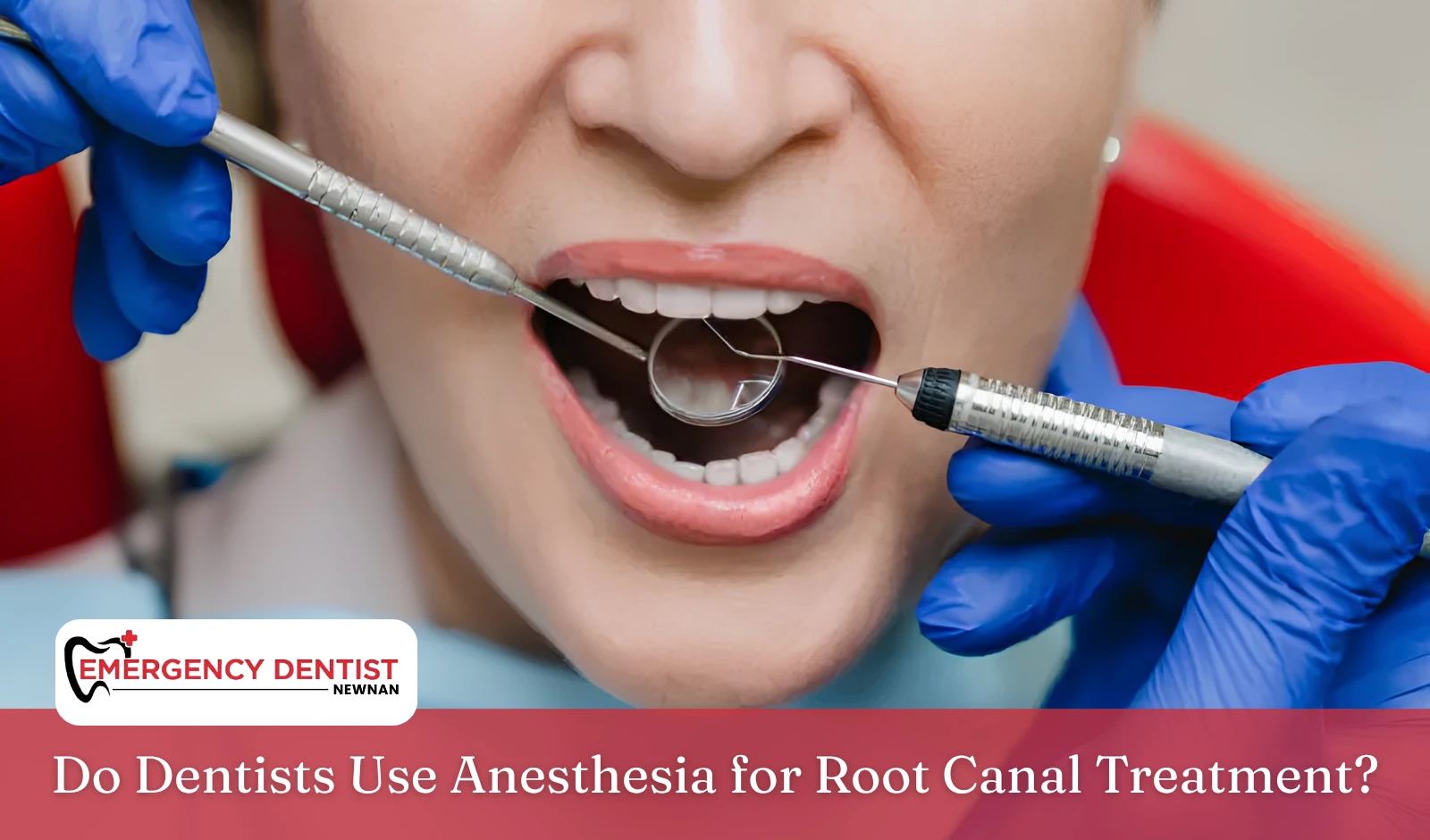
Most patients stay awake throughout root canal treatment. Before working on the tooth, the dentist normally uses local anesthesia to numb the treatment area.
You may still notice pressure, vibration, or movement even though the area is numb. These sensations do not necessarily mean that the anesthetic is not working.
Staying awake also allows you to communicate with the dental team. If you need a short break or notice an unexpected sensation, you can let them know.
Before the root canal procedure begins, your dentist can explain the steps and what you are likely to experience.
Do Dentists Use Anesthesia for Root Canal Care?
If you are asking, do dentists use anesthesia for root canal care, the answer is generally yes. A numbing medication is commonly placed near the tooth and surrounding tissues before treatment starts.
The dentist may test the area to make sure it is adequately numb before beginning the dental procedure.
Anesthesia should not be confused with sedation. Local numbing medication is designed to reduce sensation in one area of the mouth. Sedation affects how relaxed, drowsy, or aware you feel.
This distinction is why receiving anesthesia for a root canal usually does not mean that you will be asleep.
When Is Sedation Used for a Root Canal?
Sedation may be considered when a patient needs additional help remaining relaxed or comfortable during treatment. The appropriate option depends on the patient’s health, comfort needs, planned procedure, and the services available at the dental practice.
For example, sedation may be discussed for patients with significant dental anxiety, a strong gag reflex, difficulty remaining still, or a challenging past dental experience.
Talking openly about these concerns before treatment gives your dentist an opportunity to discuss possible sedation options and other approaches for reducing anxiety.
Nitrous Oxide
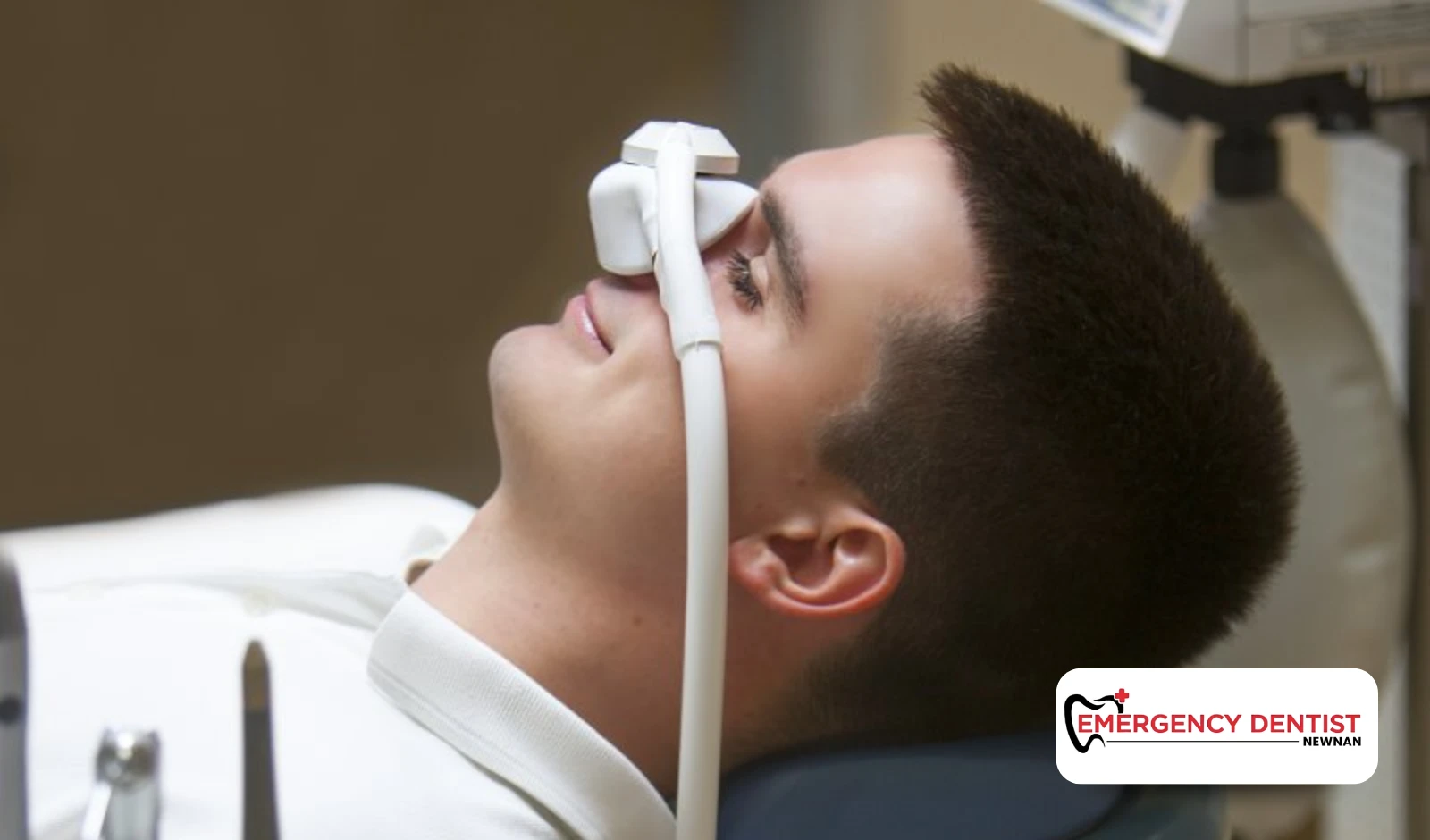
Nitrous oxide is a mild form of sedation that is inhaled through a small mask placed over the nose.
Patients generally stay conscious and can communicate during treatment. The gas is administered and monitored by the dental team during the appointment.
Oral Medication
Oral sedation involves taking prescribed medicine before the appointment. Depending on the medication and dosage, you may feel calm, sleepy, or less aware of what is happening around you.
You may still be able to respond when spoken to. Because some medications continue affecting alertness after treatment, your dentist may require someone else to drive you home.
Deeper Sedation
Depending on the method used, sedation can range from mild relaxation to deeper levels of sedation. Patients receiving moderate or conscious sedation may become very relaxed or drowsy while still being able to respond to instructions.
Deep sedation and general anesthesia involve different levels of consciousness and require appropriate monitoring. These options may not be available at every dental office.
Your dentist will need to review relevant health information, medications, and other factors before deciding whether a particular type of sedation is appropriate.
Final Thought
Being completely asleep is not normally required for a root canal. Most patients stay awake while the dentist numbs the tooth and surrounding tissues.
Sedation can sometimes provide additional support for people who find dental appointments especially difficult. The right approach depends on your individual circumstances and the services offered by your provider.
Before receiving any dental treatment, tell your dentist about concerns you have regarding pain, anxiety, or sedation. A clear discussion can help you understand what to expect and prepare for your appointment.
Have Questions About Root Canal Care in Newnan?
If you have questions about anesthesia, sedation, or staying comfortable during treatment, contact an Emergency Dentist in Newnan. A dental evaluation can help determine what care your tooth may need while giving you an opportunity to discuss comfort concerns before the procedure.
Your dental team can explain the recommended dental care, review the options that may be available, and help you understand what to expect during your visit.
Frequently Asked Questions
Will local anesthesia make me sleepy during a root canal?
No. Local anesthetic is intended to numb a specific area rather than make you sleepy. You are generally awake and able to communicate during treatment.
Can I request sedation because I am very nervous about my root canal?
You can tell your dentist that you are anxious and ask about available options. Your dentist will consider your health, medications, level of anxiety, and the treatment planned before recommending sedation.
Will I need someone to drive me home after sedation?
Possibly. Some forms of sedation can affect coordination and alertness after treatment. If your dentist recommends one of these options, you will usually receive transportation instructions before your appointment.
How should I prepare if sedation is planned for my root canal?
Follow the instructions given by your dental provider. Depending on the type of sedation, you may receive specific directions about eating, drinking, medications, transportation, and what to do after treatment.
Is being put completely to sleep necessary if I have a low pain tolerance?
Not necessarily. Pain tolerance is only one factor considered when planning treatment. Local numbing medication is routinely used, and your dentist can discuss additional comfort measures based on your individual needs.